
Many clients walk into a consultation expecting Botox to erase deep grooves, sun damage, or sagging skin, only to learn that these concerns often need a different approach. The distinction comes down to two categories: dynamic wrinkles, caused by repeated muscle movement, and static wrinkles, which stay visible even when your face is completely relaxed.
This article breaks down which type of wrinkle Botox treats best, what results actually look like, how long they last, and what to expect from consultation to follow-up.
Key Takeaways
- Botox softens dynamic wrinkles by temporarily relaxing targeted muscles, with conservative dosing preserving natural expression.
- Frown lines, forehead lines, and crow's feet are the most common treatment areas; anatomy decides suitability.
- Deep or static wrinkles may soften but rarely clear with Botox alone—combination options can help.
- A qualified injector should review your health history, goals, and facial movement in person before treatment.
How Botox Works and Which Facial Wrinkles It Treats
Botox is a brand name for onabotulinumtoxinA, a type of neuromodulator. It works by temporarily blocking the nerve signals that tell specific facial muscles to contract, according to the FDA's current prescribing information. When a muscle contracts less, the skin above it creases less too.
In everyday terms, every time you frown, squint into the sun, or raise your eyebrows in surprise, the muscles underneath fold the skin in the same spots, over and over. Repeat that motion for years and the fold becomes a permanent line, even when your face is at rest. Reducing muscle activity in these areas can make the overlying skin appear noticeably smoother.
FDA-Approved Treatment Areas
The FDA has cleared Botox Cosmetic specifically for three facial concerns:
- Glabellar lines — the "11s" between your eyebrows caused by frowning
- Horizontal forehead lines — created by repeatedly raising your eyebrows
- Lateral canthal lines — crow's feet around the outer corners of the eyes

Other areas are sometimes treated by experienced providers, but this depends heavily on individual facial anatomy. It's not a one-size-fits-all treatment, and a good injector will tell you honestly if an area isn't a good candidate.
Botox vs. Fillers vs. Other Neuromodulators
Once you know which lines Botox can treat, the next question is usually how it compares with other injectables.
Botox and dermal fillers solve different problems. Botox relaxes muscle activity; fillers add volume where it's been lost. If your concern is a fold caused by volume loss rather than movement, a filler may be more relevant than a neuromodulator.
Botox also isn't the only neuromodulator on the market. Dysport and Xeomin are separate FDA-approved products with their own formulations and prescribing guidelines. Units aren't interchangeable between brands, so dosing comparisons based on unit count alone don't hold up. At ReviveGlo, providers treat Botox, Dysport, and Xeomin as distinct options and choose based on your muscle strength, anatomy, and goals—not a fixed conversion chart.
Can Botox Treat Deep or Static Wrinkles?
This is where expectations need a reality check. Dynamic wrinkles show up when you move your face; they soften or disappear when your face relaxes. Static wrinkles stay visible even at rest, often because of collagen loss, sun damage, or reduced skin elasticity.
A 2014 peer-reviewed review in the Journal of Clinical Aesthetic Dermatology found that Botox delivers its most dramatic, predictable results on dynamic wrinkles like frown lines, forehead lines, and crow's feet. Static wrinkles responded less dramatically. Botox relaxes the muscle that drives movement; it does not rebuild collagen or reverse dermal thinning.
Why Deep Forehead Lines Are Trickier
If your forehead wrinkles are visible even when your eyebrows are completely still, Botox can still help. It reduces the muscle contraction that keeps reinforcing the line. But a deeply etched crease built up over decades may not vanish entirely after a single round of treatment.
Several factors influence how much improvement you'll actually see:
- Wrinkle depth — shallower lines respond faster than deeply set ones
- Skin elasticity — sun exposure and smoking history reduce elastic fiber quality
- Facial anatomy — muscle strength and position vary from person to person
- Age-related collagen loss — thinner, less resilient skin holds creases longer
- Whether the line shows at rest — a key marker of static vs. dynamic wrinkles

What Happens When Botox Alone Isn't Enough
When Botox alone won't fully address a concern, providers often discuss complementary options. At ReviveGlo Med Spa, that can include microneedling for texture and fine lines, or dermal fillers for volume-related folds. Medical-grade skincare may also support results as part of an ongoing plan.
The realistic goal is a balanced, refreshed look that softens movement-related creases while keeping your expression natural. Set that expectation early and you'll be happier with the outcome.
What to Expect Before, During, and After Botox
Knowing the process ahead of time takes a lot of the guesswork out of your first appointment.
The Consultation
A proper consultation isn't a five-minute chat before injections. It typically includes:
- Facial movement assessment — your provider watches your face at rest and during expression
- Priority area discussion — you talk through which lines bother you most
- Health history review — including medications and any prior reactions
- Skin condition check — to rule out active infections or irritation
- Treatment plan agreement — a conservative starting point, not a maximum dose
During Treatment
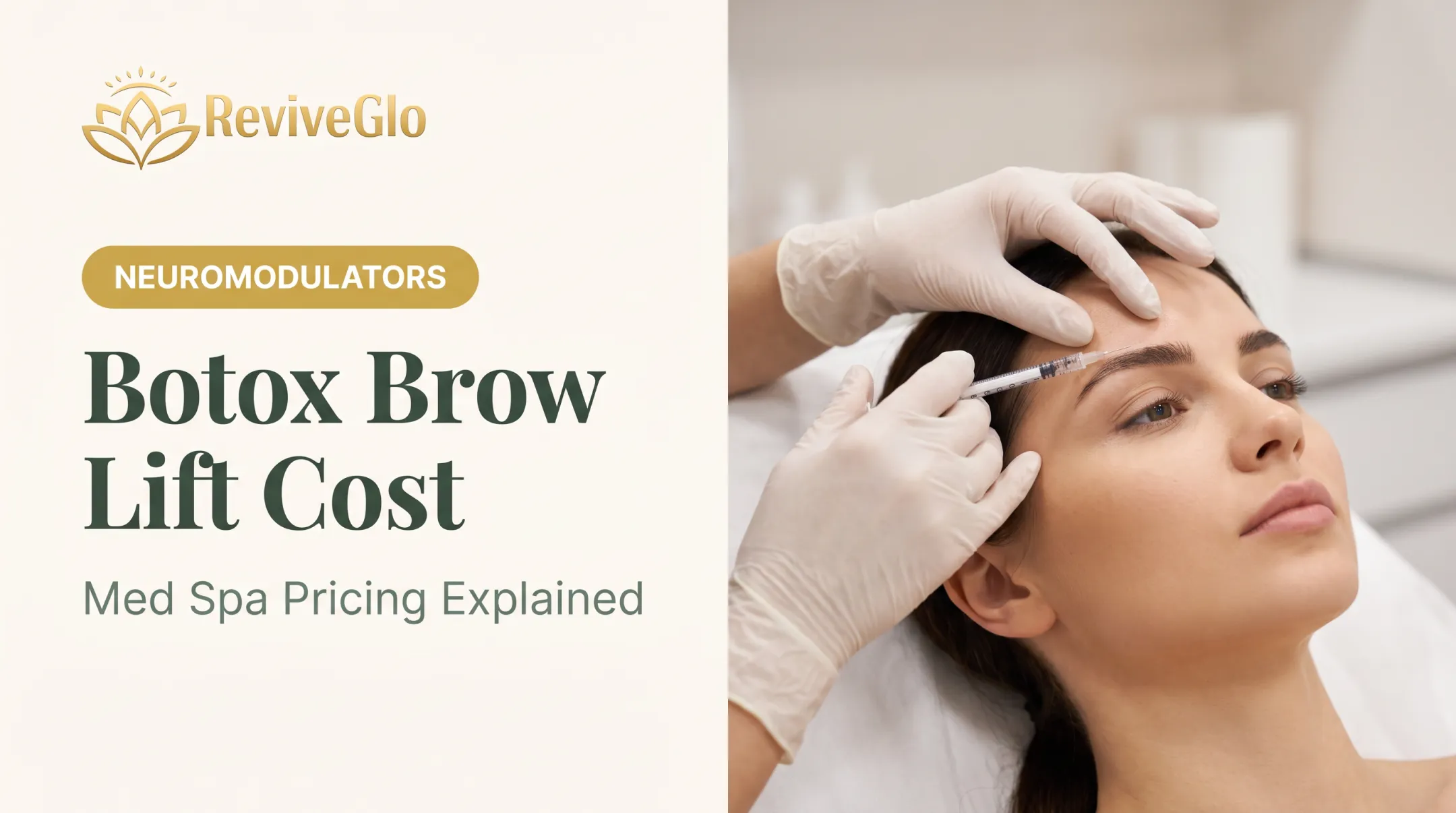
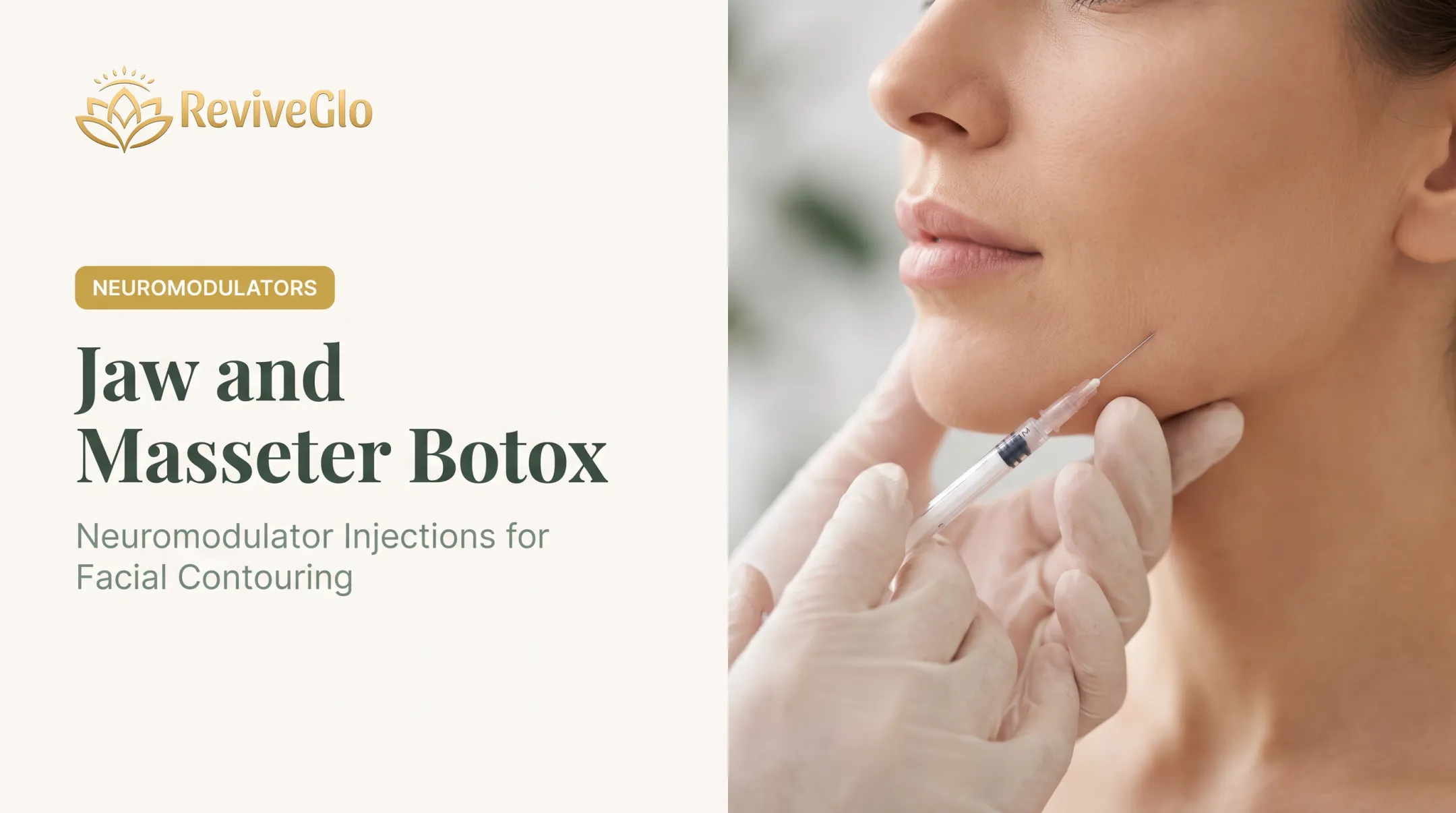
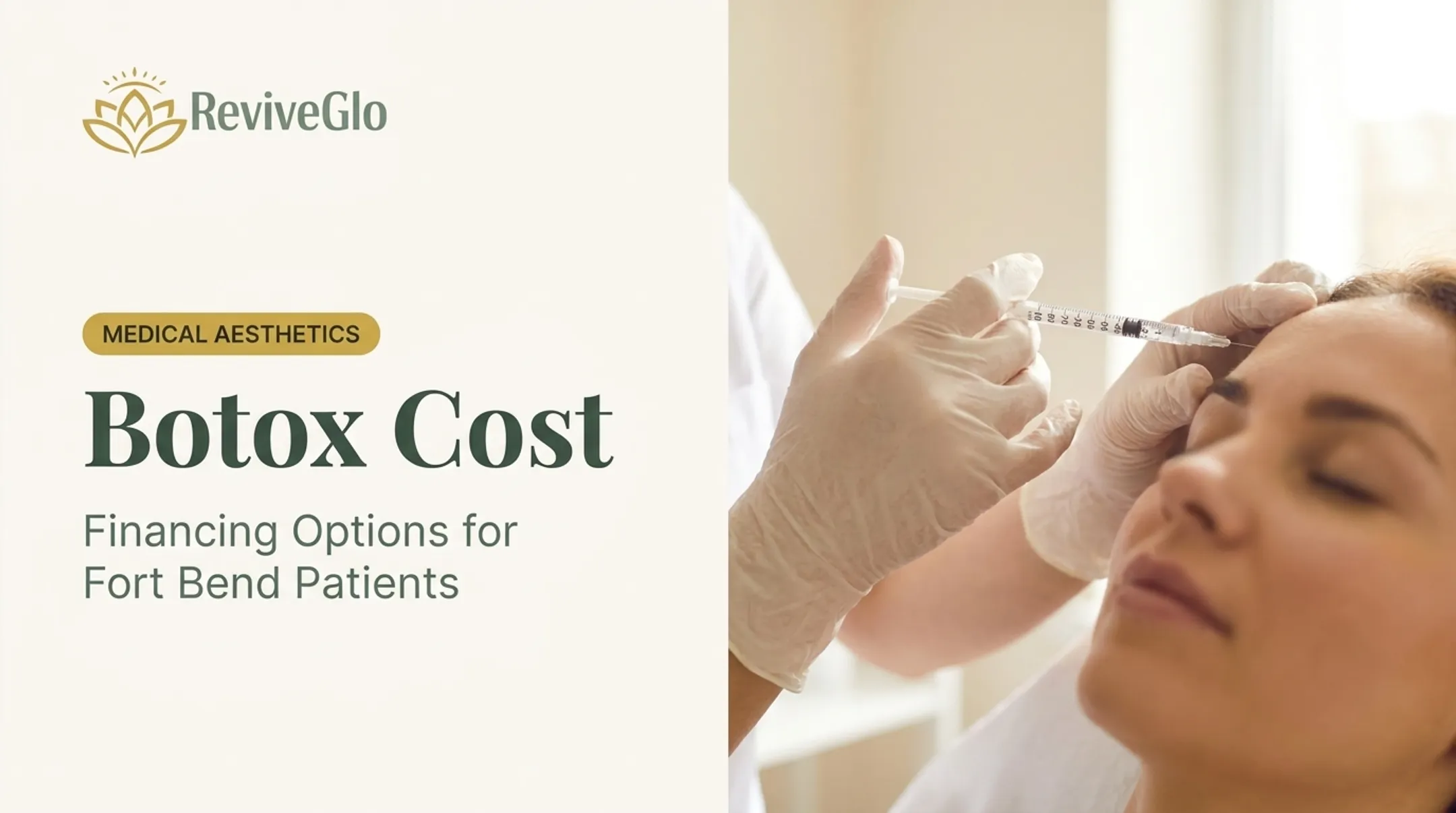
The process itself is straightforward. Your provider cleanses the skin, marks treatment points, and uses a fine needle to deliver small amounts of product into the targeted muscles. Total time depends on how many areas you're treating; some appointments take just a few minutes once the plan is set.
The Results Timeline
Don't expect to see changes the moment you leave the office. Effects build gradually:
- Days 1-3: Early changes may start to appear
- Days 7-14: Full results typically become visible; this is when your provider will assess final outcome
- 3-4 months: Effects commonly begin to fade as muscle activity gradually returns

According to the American Academy of Dermatology, results commonly last around three to four months, though this varies by individual and treatment area. ReviveGlo clients see a similar pattern, with maintenance scheduling discussed at each visit based on how your body responds.
Aftercare Basics
Aftercare instructions vary slightly by provider. Typical guidance includes:
- Avoid unnecessary rubbing or pressure on treated areas right after injection
- Ask when it's safe to resume exercise, facials, or other skincare treatments
- Follow your injector's instructions over outdated blanket rules (like "never touch your face for a week")
Botox Safety, Candidacy, and Choosing a Provider
Botox has a strong safety record when administered by a qualified provider, but that doesn't mean it's risk-free or right for everyone.
Common Short-Term Effects
Most side effects are mild and temporary:
- Redness or tenderness at injection sites
- Swelling or bruising
- Mild headache
Contact your provider if you notice drooping eyelids, difficulty swallowing, blurred vision, or muscle weakness beyond the treated area. These are less common but warrant prompt medical attention.
Who Needs Extra Discussion Before Treatment
A thorough consultation matters even more if you:
- Are pregnant or breastfeeding
- Have a neuromuscular condition
- Have an active infection or skin condition at the injection site
- Have known allergies or a prior reaction to botulinum toxin
- Take medications or supplements that could affect treatment
Your provider should review these factors against current prescribing guidelines before recommending treatment, not after.
How to Choose a Provider
Not every med spa or injector is equally qualified. Look for:
- Medical credentials and physician-led oversight
- Documented experience with facial anatomy, not only general injection training
- A conservative approach that avoids over-treating to upsell
- Transparent pricing without vague "starting at" figures or hidden fees
- Willingness to decline treatment when it is not right for you
At ReviveGlo Med Spa in Missouri City, treatment planning is provider-led under Medical Director Dr. Salvador J. Abrams, MD, FACEP. Injections are performed by nurse injectors including Ruby Bhayani, RN, BSN, CCM, who brings more than 30 years of clinical nursing experience to every consultation. Rather than promising a specific outcome, the team discusses Botox, Dysport, or Xeomin based on your anatomy and goals. Dosing is built around preserving natural facial movement.
Frequently Asked Questions
How long does Botox last on wrinkles?
Most people see results last about 3–4 months. Duration still varies by treatment area, product, and your metabolism, so your provider can set a maintenance timeline based on how you respond.
Does Botox really work on wrinkles?
Yes, particularly for dynamic wrinkles caused by repeated muscle movement, like frown lines and crow's feet. Static wrinkles and skin-texture concerns often need additional or alternative treatments alongside Botox.
Will Botox remove deep forehead wrinkles?
Botox can soften deep forehead lines by reducing the muscle movement that reinforces them, but it may not completely erase lines still visible when your face is relaxed. A consultation can clarify what’s realistic for your skin.
Does forehead Botox actually prevent wrinkles?
Limiting repetitive muscle contraction can slow how some expression lines deepen over time. Botox still can’t stop wrinkles from sun exposure, collagen loss, or other aging factors.
Are anti-wrinkle injections the same as Botox?
Not exactly. Botox is one specific brand of botulinum toxin type A. "Anti-wrinkle injections" is a broader term that can also include other neuromodulators like Dysport and Xeomin.
Is it okay to get a facial with Botox?
It depends on the type of facial and your injector's specific guidance. Always ask when cleansing, massage, exfoliation, or heat-based treatments can safely resume after your injections.