
Introduction
Salmon DNA microneedling with PDRN combines microneedling with a topical application of purified polydeoxyribonucleotide, a regenerative-support ingredient derived from salmon DNA. If you've searched for the "salmon sperm facial," you've likely seen plenty of hype and far less clarity on candidacy, technique, and realistic results.
This guide is for adults dealing with dehydration, dullness, uneven texture, acne marks, redness, or early signs of aging and considering a medical-aesthetic option. Patient selection, sterile technique, and realistic expectations matter far more than a trending nickname.
Here's what we'll cover: what the treatment actually is, why people use it, how the process works step by step, what affects results in practice, common misconceptions, and when it's not the right fit.
Key Takeaways
- Microneedling creates the microchannels; PDRN is the regenerative-support product applied during or after
- PDRN means purified DNA fragments from salmon milt, not raw sperm or unprocessed fish tissue
- Benefits often include improved hydration, smoother texture, radiance, and gradual collagen support (results vary)
- Results hinge on product sourcing, provider training, skin type, and aftercare discipline
What Is Salmon DNA Microneedling with PDRN?
PDRN stands for polydeoxyribonucleotide. It's a purified mixture of DNA fragments, extracted and processed from salmon milt, used in regenerative and tissue-repair applications. It is not raw fish material, and it is not applied to skin in its unprocessed form.
Pairing it with microneedling has a clear goal: create a temporary repair window through controlled collagen-induction therapy, then apply PDRN to support recovery. Some patients report smoother, more hydrated, more even-looking skin over time.
Protocol Pieces vs. Common Mix-Ups
These aren't interchangeable terms:
- Microneedling creates controlled micro-injuries and temporary microchannels that trigger the skin's own repair response
- PDRN is the topical product applied to support that recovery and signaling process — it doesn't create the microchannels itself
- PRP (platelet-rich plasma) is prepared from the patient's own blood, a different source and mechanism entirely
- Exosomes and hyaluronic acid boosters come from different sources with their own evidence base and regulatory considerations
A 2024 aesthetic-medicine review found no distinct human aesthetic study isolating PDRN's cosmetic effects, noting that much of the existing literature involves related polynucleotide injections rather than PDRN combined with conventional microneedling. Microneedling's collagen-induction effect is well documented. The cosmetic PDRN evidence is still developing — worth knowing before you book anything.
Why Salmon DNA Microneedling Is Used for Skin Rejuvenation
People typically come in with a familiar list: dullness, dehydration, mild texture irregularities, early fine lines, acne marks, or skin that just looks tired and less resilient than it used to.
The appeal of combining the two treatments makes sense on paper. Microneedling kicks off a wound-healing cascade, and PDRN is intended to support the recovery environment during that window.
A 2025 randomized trial of 24 women aged 30 to 50 compared microneedling paired with 3% salmon PDRN against microneedling paired with PRP. Findings included:
- Statistically greater wrinkle-score reduction with PDRN (p=0.021)
- No significant difference in pigmentation improvement between groups
- Minimal adverse effects in both groups over six weeks of follow-up
That's encouraging, but it's one small study — not proof of a universal advantage.
Expect a temporary glow or hydration boost within days. Collagen remodeling is slower, often building over weeks and multiple sessions.
This treatment doesn't replace daily sun protection, a suitable skincare routine, medical treatment for active skin disease, or more intensive procedures when those are clinically indicated.

Where It's Typically Applied
Common areas include the cheeks, forehead, and around the mouth, selected after an in-person assessment. Neck and décolletage may be considered only when clinically appropriate.
- Texture and acne scarring concerns often guide treatment area selection
- Early lines, dullness, dehydration, or uneven tone are matched to specific zones, not blanket-promised results
- Treatment may be a one-time introductory session, part of a series, or ongoing maintenance
- A provider may recommend barrier-repair skincare or a prep period before needling actively irritated skin
How Salmon DNA Microneedling Works: Conceptual Flow
The general sequence runs from consultation through aftercare:
- Skin assessment and medical history review
- Cleansing and preparation
- Optional topical numbing
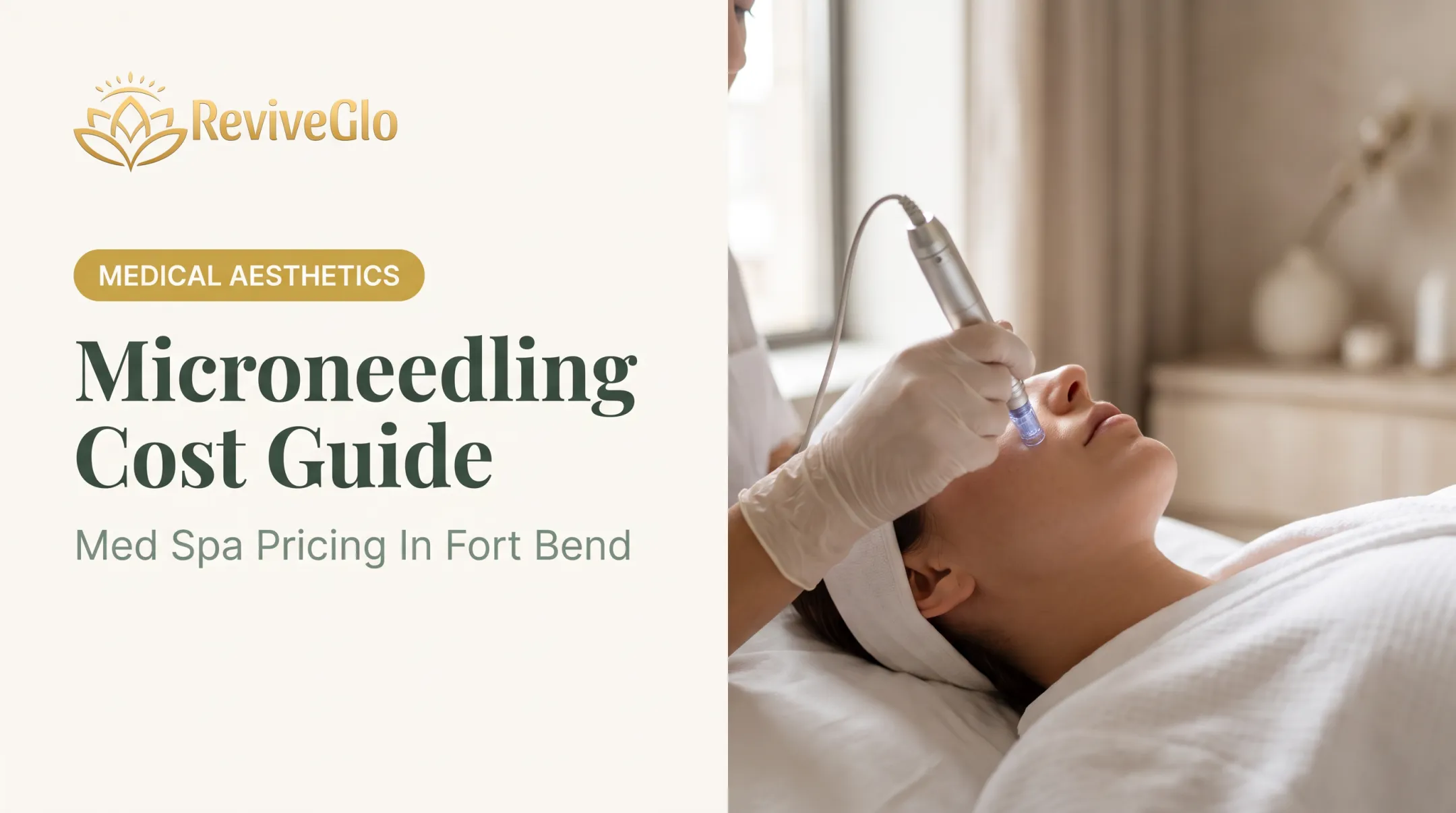
- Microneedling
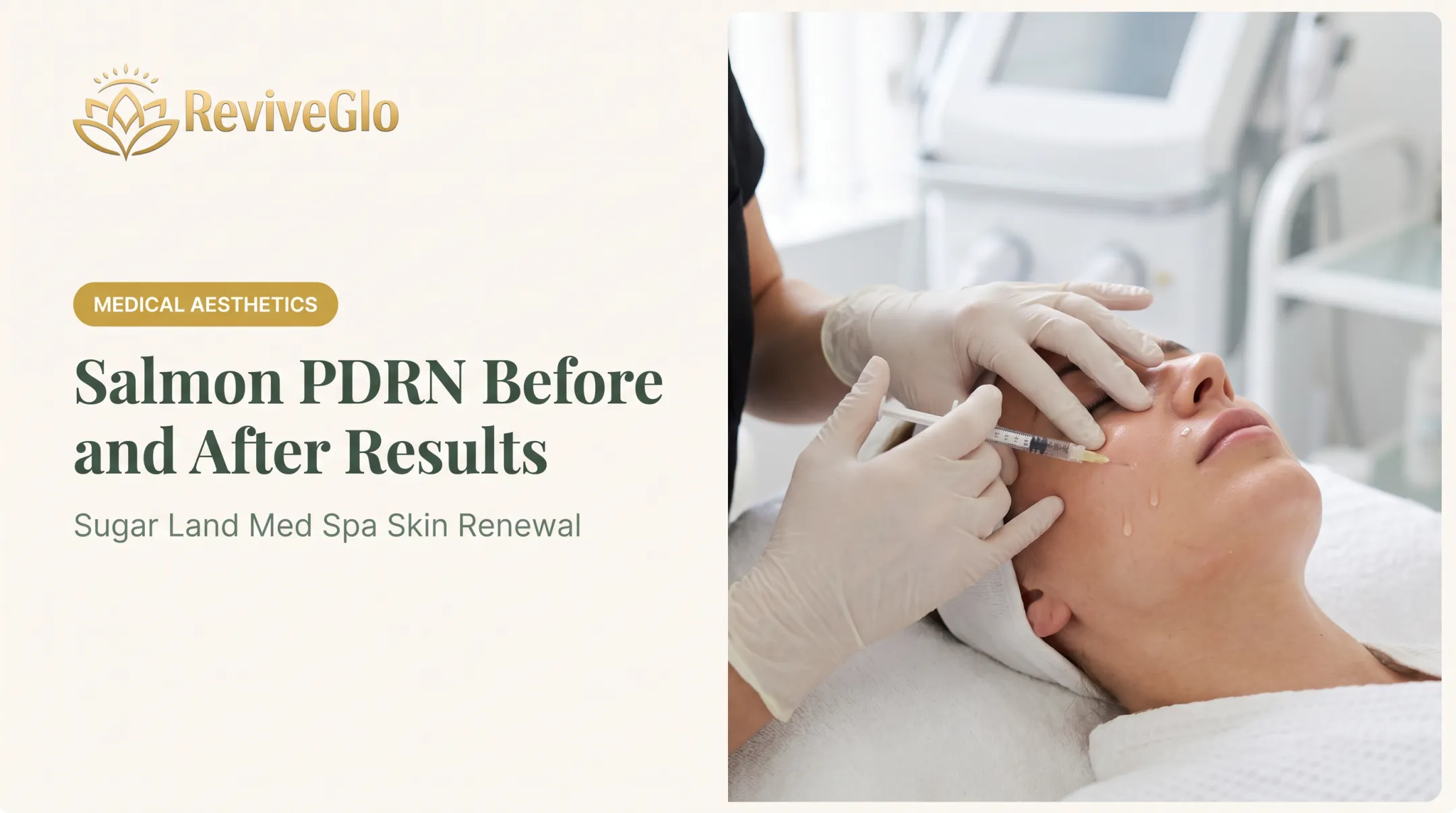
- PDRN application
- Post-treatment instructions
Fine needles create controlled microchannels that temporarily increase skin permeability and activate the skin's natural repair response. PDRN is then applied during or immediately after needling, according to the provider's specific protocol. Deeper delivery does not automatically mean better or safer results. Depth depends on the indication and the skin's tolerance.
The intended biological response includes recovery support, inflammation regulation, hydration, and gradual collagen remodeling. Several of these mechanisms remain under active investigation rather than settled science.

Step 1: Consultation and Skin Assessment
Before anything touches your skin, a provider should review:
- Skin tone and sensitivity
- Active acne, inflammation, or scarring
- Pigmentation history
- Allergies and current medications
- Pregnancy or breastfeeding status
At ReviveGlo Med Spa, every service starts with a consultation that covers goals, health history, skin type, and treatment timing before any plan gets recommended.
Step 2: Sterile Microneedling
The provider selects treatment intensity and performs microneedling with sterile, disposable-tip equipment. There is no single needle depth or schedule that is universally correct. Settings depend on your skin condition, goals, and how your skin has responded to previous treatments.
Step 3: PDRN Application and Aftercare
Only products intended for this specific procedure should be applied post-needling. Aftercare should be individualized and typically covers:
- Cleansing and makeup timing
- Heat exposure and exercise limits
- Pause on active skincare ingredients
- Daily sun protection
Discomfort is commonly managed with preparation and topical numbing when appropriate. The experience still varies by treatment area, skin sensitivity, and device settings.
Key Factors That Affect the Treatment in Clinical Practice
Results aren't just about the product name on the label. Several variables shape what you actually experience:
- Product quality and sourcing — formulation, purification level, intended use, storage, and authenticity all matter. Ask directly what product is being used and where it comes from.
- Skin characteristics — sensitivity, active acne, rosacea, melanin-rich skin, PIH history, keloid tendency, scarring, and barrier condition all need individualized planning, not a generic protocol.
- Treatment settings — device type, needle depth, pressure, passes, treatment area, and PDRN timing all affect comfort, recovery, and results. No single setting fits every skin type.
- Provider and facility standards — licensed, trained professionals, sterile technique, infection-control practices, and a clear complication-management plan should be non-negotiable.
- Frequency and maintenance — skin needs recovery time between sessions. Spacing should be set by treatment intensity and provider assessment, not by a generic schedule found online.
Regulatory note: According to the FDA's guidance on microneedling devices, authorized microneedling devices have specific approved uses: improving the appearance of facial acne scars, facial wrinkles, and abdominal scars in patients 22 and older.
The FDA is explicit that these devices are not approved to deliver cosmetics, topical medications, drugs, or blood products into the skin. Risks of combining a device with another product may not be fully established. Don't assume any PDRN product carries a specific FDA cosmetic approval unless that claim is independently verified.

Common Misconceptions Worth Correcting
- PDRN and microneedling are not interchangeable — one is the applied ingredient, the other is the procedure
- "Salmon DNA" doesn't guarantee dramatic or immediate rejuvenation; outcomes depend on your baseline skin condition, the protocol used, and how many sessions you complete
- A temporary post-treatment glow is not the same as long-term collagen remodeling or scar improvement
- "Natural," "regenerative," or "biocompatible" doesn't mean risk-free — allergy and medical-history screening still applies
- At-home microneedling with professional-depth devices or nonsterile products raises real risks of infection, irritation, scarring, and pigmentation changes
- Claims that PDRN, PRP, or exosomes are universally "better" than one another don't hold up — compare them by source, purpose, evidence, and your specific skin concern instead
When Salmon DNA Microneedling May Not Be Appropriate
Some situations call for postponement, medical clearance, or a different plan altogether:
- Active infection, open wounds, or uncontrolled inflammatory skin conditions
- Active cystic acne in the treatment area
- Poor wound healing, significant bleeding risk, or a history of problematic scarring
Known fish allergies, pregnancy or breastfeeding, recent procedures, current medications, and immune conditions should all be discussed directly with a qualified clinician. These deserve individual review rather than a blanket rule.
Other factors can limit results even when the treatment is otherwise appropriate:
- Unrealistic expectations about what needling can achieve
- Inadequate sun protection during healing
- Severe laxity or scarring that needs a different modality
- Skin that's currently too irritated to tolerate needling
If salmon DNA microneedling isn't the right fit, alternatives worth discussing include:
- Barrier-repair skincare to prepare compromised skin
- Standard microneedling
- Chemical peels
- Laser-based procedures
- PRP-based treatments
- Medical evaluation for an underlying skin condition
If you're in Missouri City, Sienna, or the surrounding Fort Bend communities, ReviveGlo Med Spa's provider-led team can walk through your goals and medical history before you commit to any microneedling or regenerative treatment.
That consultation should include a personalized plan for melanin-rich skin and post-inflammatory hyperpigmentation risk when relevant, tailored to your skin tone and history rather than a generic protocol.
Conclusion
Salmon DNA microneedling with PDRN combines controlled microneedling with purified PDRN application to support gradual skin rejuvenation. Outcomes vary with technique and product quality, and the procedure is not risk-free.
Strong results depend on several controllable factors:
- Accurate product information
- Qualified, provider-led care
- Individualized treatment settings
- Sterile technique and appropriate patient selection
- Disciplined aftercare
Treat this as one option within a broader skincare plan. Ask informed questions, understand what's actually in the product being used on your skin, and schedule a consultation before deciding — not because of a catchy nickname, but because it genuinely fits your skin's needs. ReviveGlo Med Spa's team can be reached at 832-363-0841 or Info@ReviveGlo.com to start that conversation.
Frequently Asked Questions
What are the benefits of microneedling with salmon DNA?
Reported benefits include improved hydration, radiance, and texture, with gradual support for skin repair. Evidence is still developing, and outcomes vary by individual, so no specific result should be guaranteed.
Which is better, PRP or salmon DNA?
PRP uses your own blood, while PDRN uses purified salmon-derived DNA fragments. They're different mechanisms entirely. Which is "better" depends on your specific skin concern, medical history, and a provider's assessment, not a universal ranking.
How long does salmon DNA last on skin?
Topical PDRN isn't designed to remain on the skin as a permanent filler. Visible effects vary and typically build gradually through the skin's recovery and collagen-remodeling process, so there isn't one fixed duration.
Is salmon DNA microneedling safe?
Safety depends on product quality, sterile technique, provider qualifications, and proper patient screening. Temporary redness, dryness, or flaking are common; allergies, active skin conditions, pregnancy, and medications should always be discussed beforehand.
How long does salmon DNA microneedling take to heal?
Expect initial redness or warmth, sometimes followed by mild dryness or flaking over the following days. Recovery time depends on treatment depth, individual skin sensitivity, and how well aftercare instructions are followed.