
Common worries include overfilled results, unexpected downtime, ongoing maintenance costs, and safety. With so many options, from injectables to surgery, it's hard to know which one actually fits your goals.
This guide compares the main lip enhancement options, explains what "natural-looking" really requires, and walks through the risks, recovery, and questions worth asking before you book a treatment.
Key Takeaways
- Injectable treatments are temporary and adjustable; surgical options are longer-lasting but harder to reverse
- Natural results come from conservative, staged treatment, not a fixed filler volume
- Swelling, bruising, and temporary unevenness are common after injections and typically resolve within days to weeks
- A proper consultation covers medical history, product details, longevity, and emergency protocols
- Provider training matters more than the brand name printed on the syringe
What Is Lip Augmentation?
Lip augmentation covers a group of cosmetic treatments designed to change lip volume, shape, projection, symmetry, or visible lip show at rest and when speaking. "Lip enhancement" is often used interchangeably, and it is the broader umbrella that also includes non-volumizing techniques.
Not every treatment does the same thing:
- Dermal filler physically adds volume and can reshape the vermilion border
- A lip flip relaxes the muscle around the upper lip so more of it shows, without adding bulk
- A lip lift surgically repositions the upper lip, shortening the space between the nose and lip line

Common Treatment Goals
Patients typically seek one or more of these outcomes:
- Restoring volume lost to natural aging
- Balancing lips that are naturally uneven
- Defining the Cupid's bow or vermilion border
- Improving overall lip-to-face proportion
- Softening fine lines around the mouth
At ReviveGlo Med Spa in Missouri City, dermal filler consultations start with an anatomy-first assessment—not a preset volume goal. The right amount of enhancement looks different on every face.
Main Options for Lip Augmentation and Enhancement
Choosing between treatments depends on how long you want results to last, how much control you want, and how invasive you're willing to go.
Hyaluronic Acid (HA) Dermal Fillers
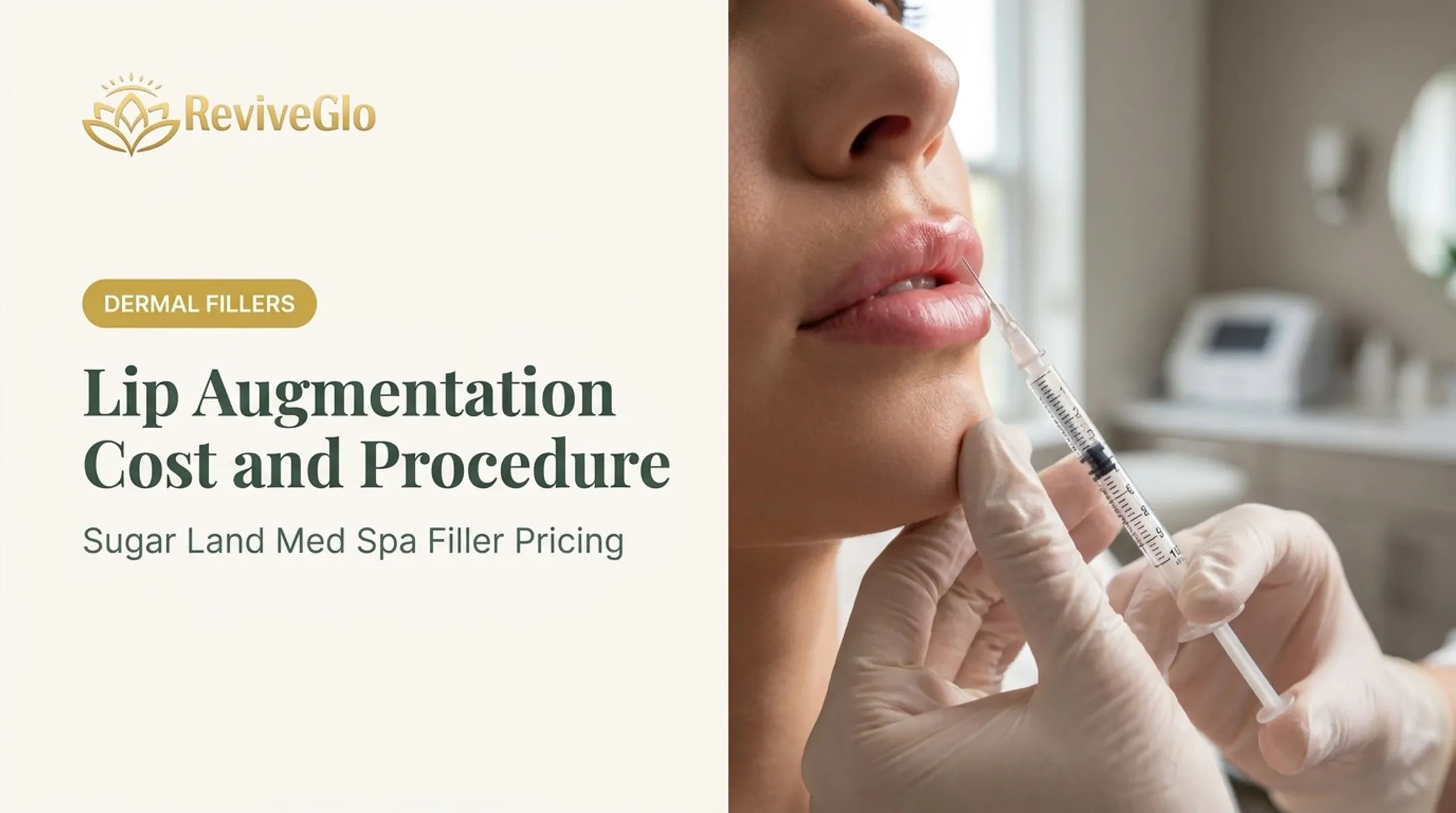
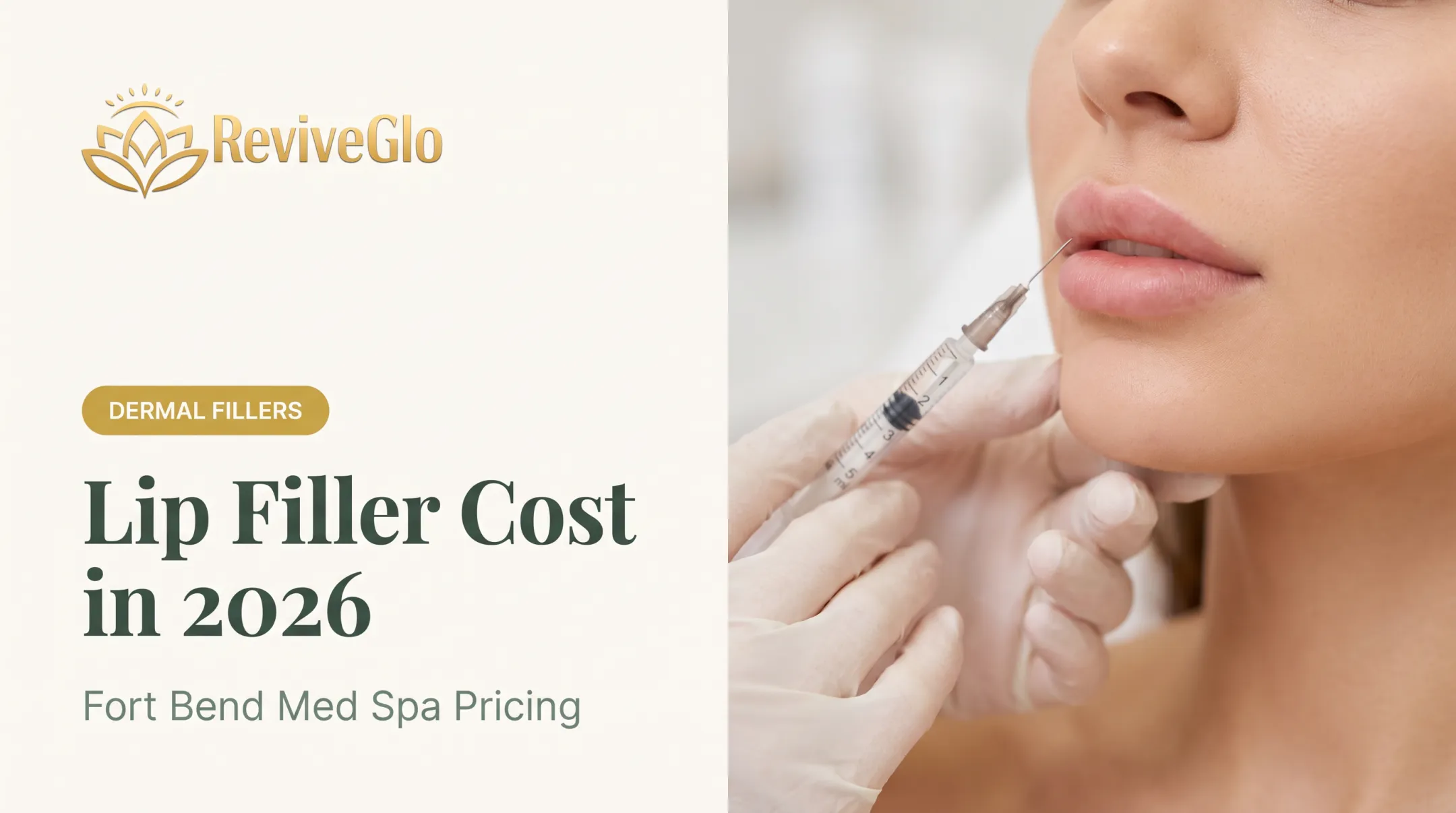
HA filler is injected directly into the lip tissue to add volume, improve contour, and sharpen the border. It's the most common starting point because it's:
- Reversible with hyaluronidase if you dislike the result
- Adjustable across sessions instead of one large commitment
- Effective for six to eight months on average (up to a year depending on product and metabolism)
ReviveGlo Med Spa offers lip filler at $749 per syringe, with dosing planned around your anatomy and goals.
Botox Lip Flip
A lip flip uses a neuromodulator (Botox, Dysport, or Xeomin) injected near the upper lip to relax the muscle slightly. That small change lets more of the upper lip show when you smile or speak. It does not add volume.
Results usually last three to four months, so maintenance treatments are needed. ReviveGlo Med Spa offers Botox, Dysport, and Xeomin for lip flip and other neuromodulator treatments.
Fat Transfer
Fat transfer harvests fat from another part of your body, processes it, and injects it into the lips. Fat removal usually means liposuction, so this option has a surgical component.
Unlike filler, transferred fat cannot be dissolved if you dislike the result. Not all of it survives, which makes long-term volume less predictable.
Surgical Options: Lip Lift and Implants
For patients seeking permanent change, surgical approaches include:
- Lip lift – shortens the space between the nose and upper lip, increasing lip show without added volume
- Lip implants – placed through small incisions at the corners of the mouth for a lasting, sculpted increase in fullness
Both involve real recovery time and, if you later want a different look, revision surgery rather than a simple touch-up.
Comparing Your Options
| Treatment | Reversible? | Downtime | Maintenance | Permanence |
|---|---|---|---|---|
| HA Filler | Yes, with hyaluronidase | ~1 day | Every 6–12 months | Temporary |
| Botox Lip Flip | No, but wears off | Minimal | Every 3–4 months | Temporary |
| Fat Transfer | No | Longer than injectables | May need repeat sessions | Variable / long-lasting |
| Lip Lift | Surgical revision only | About 1 week | None routine | Permanent |
| Lip Implant | Surgical removal only | About 2 weeks | None routine | Intended permanent |
According to ASPS's ranking of lip augmentation options, more permanent doesn't automatically mean better. It means less room to adjust if your goals or face change over time.
How to Choose a Natural-Looking Lip Enhancement
Natural results start before the needle ever touches your lip—with an honest look at your facial proportions, baseline lip anatomy, and what "natural" means to you.
Consultation First, Injections Second
A thorough consultation should assess:
- Symmetry and existing lip shape
- Skin condition and hydration
- Dental or skeletal factors that affect lip projection
- Your personal definition of "enhanced" versus "overdone"
At ReviveGlo, every treatment begins this way. Consultations in Sienna and Missouri City review goals, health history, treatment options, pricing, and aftercare before any product is used, and the practice offers this step free of charge.
Why Staged Treatment Works Better
Many providers recommend starting conservatively, letting swelling settle over one to two weeks, then reassessing before adding more product. This staged approach:
- Reduces the risk of overfilled results
- Lets you see the true outcome, not the swollen version
- Gives you and your provider a chance to fine-tune before committing further
Does 1 mL of Filler Look Noticeable?
It depends. A 2025 review of hyaluronic acid injection technique found that identical filler volumes produced very different visual results across patients, depending on starting lip size, tissue response, product rheology, and where exactly the filler was placed. Volume alone does not predict how full your lips will look—placement, product choice, and your starting anatomy do. Plan the syringe count around those factors, not a one-size target.
Matching Technique to Concern
One approach rarely solves every issue:
- Hydration: softer, less structural filler
- Border definition: precise placement along the vermilion line
- Asymmetry: side-by-side comparison during injection
- Perioral lines: a separate technique from volume work
Vetting Your Provider
Once you know which concern you want addressed, the next filter is who holds the syringe. Before booking, look for:
- Credentials and specific injectable training
- Before-and-after photos showing subtle, not dramatic, changes
- Clear answers about product type and expected longevity
- A documented emergency protocol
- Written aftercare instructions

At ReviveGlo, lead Aesthetic Nurse Injector Ruby Bhayani, RN, BSN, CCM, brings more than 30 years of clinical nursing experience to lip consultations. Treatment plans stay conservative—aimed at enhancing what you already have, with room to adjust after swelling settles.
Safety, Candidacy, and Potential Risks
Lip augmentation is a medical procedure, even when it feels like a quick spa visit. Candidacy depends on several personal factors:
- Health history and current medications
- Known allergies
- Prior filler or implant treatments
- Pregnancy or breastfeeding status
Short-Term Effects to Expect
Most patients experience some combination of:
- Swelling
- Bruising
- Redness or tenderness
- Temporary tightness
- Minor unevenness while healing
These effects usually settle within a few days to two weeks, depending on the treatment and how you heal.
Less Common but Serious Risks
More serious complications are rare but real. They include infection, nodules, inflammatory reactions, allergic responses, and, in rare cases, vascular compromise, where filler affects blood flow to the tissue. According to the FDA's guidance on dermal fillers, this last complication can be serious and requires urgent evaluation if symptoms appear, such as unusual pain, discoloration, or blanching of the skin.
Sterile technique and injector training matter as much as the product itself when it comes to preventing these outcomes.
There's No Single "Safest Filler"
You can't pick safety by brand name alone. It depends on:
- Whether the product is FDA-approved for the treatment area
- The injector's training and experience
- Your individual health history
- Sterile technique during the procedure
- Whether the practice has an emergency response plan
A Quick Patient Safety Checklist
Before treatment, confirm:
- Product and lot number are documented for your records
- Who is performing the injection and their credentials
- All medications and supplements you're currently taking are disclosed
- Warning signs that require immediate attention are explained to you
- Who to contact after hours if something feels wrong
No cosmetic treatment is entirely risk-free. Choose a provider who explains candidacy limits, documents products carefully, and walks you through warning signs before you book—not one who glosses over them.
What to Expect Before, During, and After Treatment
Before: The Consultation
Expect a conversation about your goals, a facial assessment, a review of alternative treatments, and informed consent before anything happens. ReviveGlo's process includes photographs and documentation where appropriate, along with a personalized plan covering pricing and aftercare.
During: The Appointment
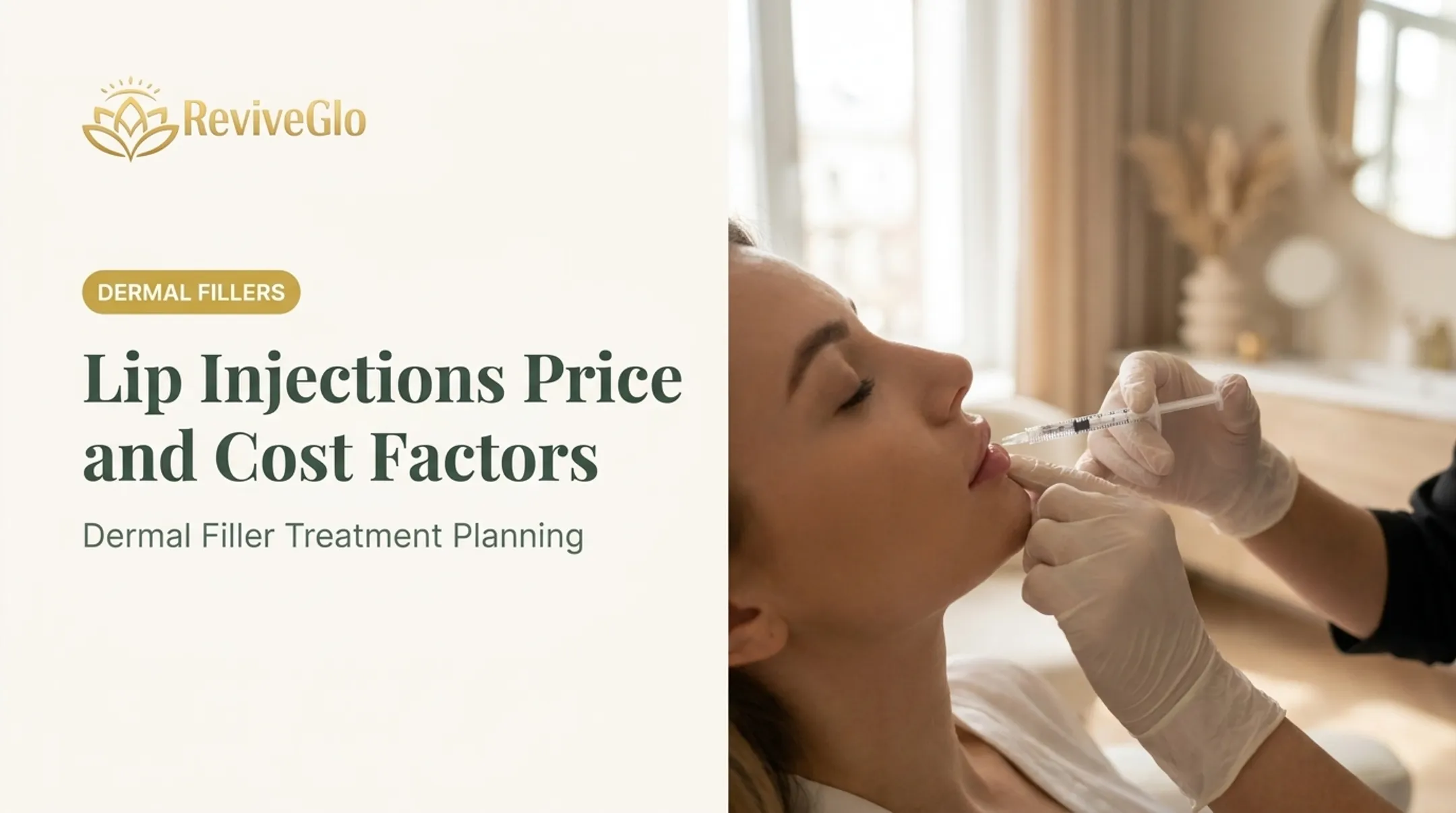
A typical injectable visit includes:
- Cleansing the treatment area
- Topical or local numbing, when appropriate
- Precise, targeted injections
- A symmetry check before you leave
- Post-treatment instructions
Appointment length varies by patient and treatment plan, so ask your provider for a realistic time estimate rather than assuming a fixed slot.
After: Healing and Follow-Up
Plan for some swelling or bruising in the days after treatment, and don't judge your final result too early. Key recovery checkpoints:
- Days 1–3: Swelling and bruising are most noticeable
- Around 2 weeks: A follow-up check is a solid point to assess the settled outcome, per Cleveland Clinic guidance
- Sooner if needed: Contact your provider if symptoms feel severe, worsen, or seem unusual

Surgical options like lip lifts or implants involve longer recovery windows and different incision care, so always follow procedure-specific instructions from your treating clinician.
Whether you choose injectables or surgery, schedule several weeks ahead of any event or photos so swelling and bruising have time to fully resolve.
Frequently Asked Questions
What is lip augmentation?
Lip augmentation refers to treatments that enhance lip volume, shape, definition, or symmetry. Options range from temporary injectables like filler and lip flips to permanent surgical approaches like lip lifts and implants.
How long does lip augmentation last?
It depends on the treatment type. Hyaluronic acid (HA) filler typically lasts six to eight months, a lip flip fades within a few months, and surgical options like lip lifts are generally permanent.
Are there any dangers to lip fillers?
Common effects include swelling, bruising, and tenderness that usually resolve within days to weeks. Less common but serious risks include infection and vascular complications, which require prompt medical attention from a qualified provider.
What is the safest filler for lips?
Safety isn't determined by brand alone. It depends on the specific product, your health history, the injector's training, sterile technique, and whether the practice has an emergency plan in place.
What are the best lip enhancement options?
The best option depends on your goals: filler for adjustable volume, a lip flip for more upper-lip show, fat transfer or surgery for longer-lasting change. Longevity, reversibility, and downtime all vary by approach.
What is the most natural-looking lip augmentation?
Natural results come from conservative, staged treatment planned around your facial proportions, not a fixed filler volume or specific product. Realistic expectations and an experienced provider matter more than any single technique.