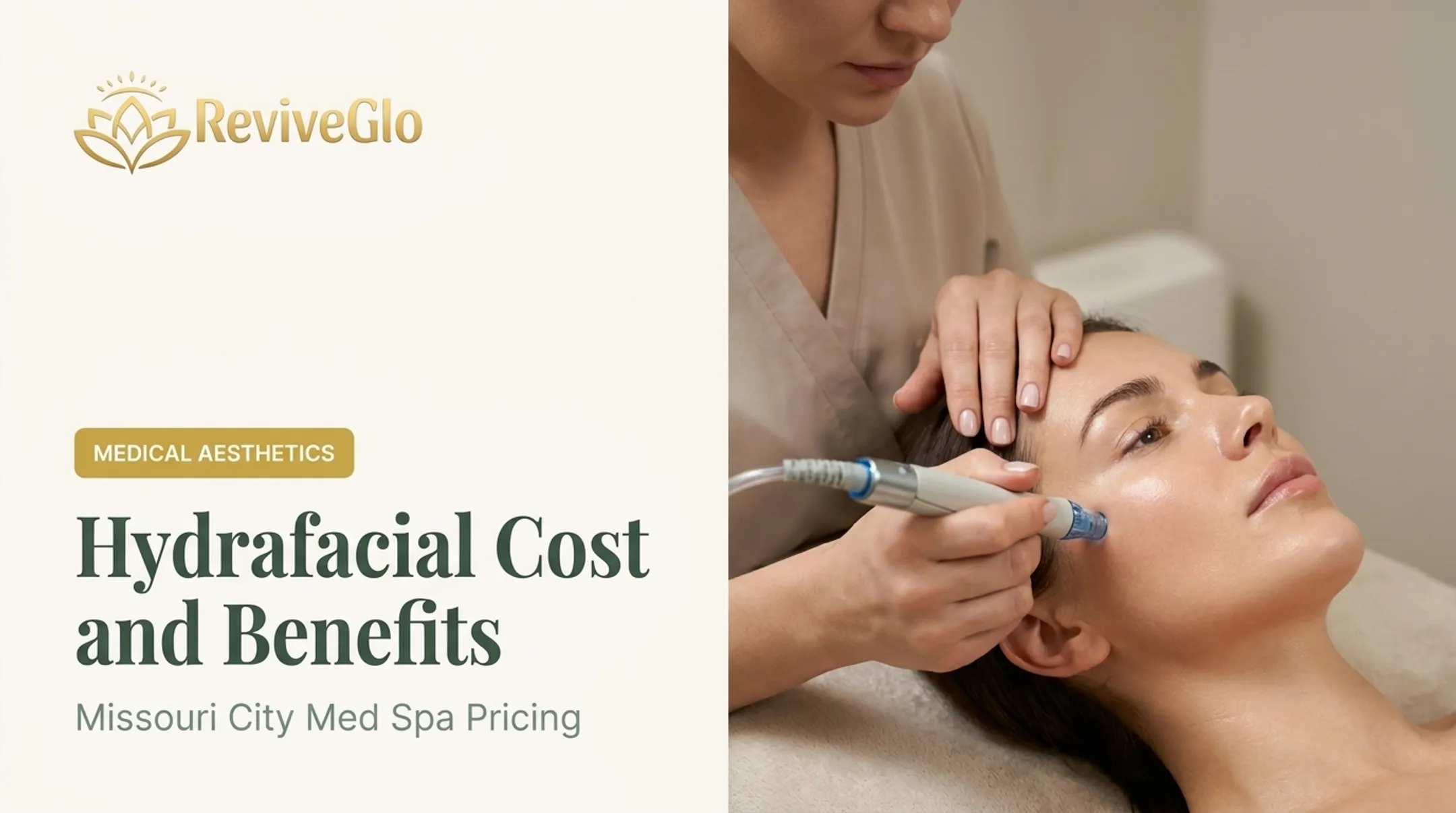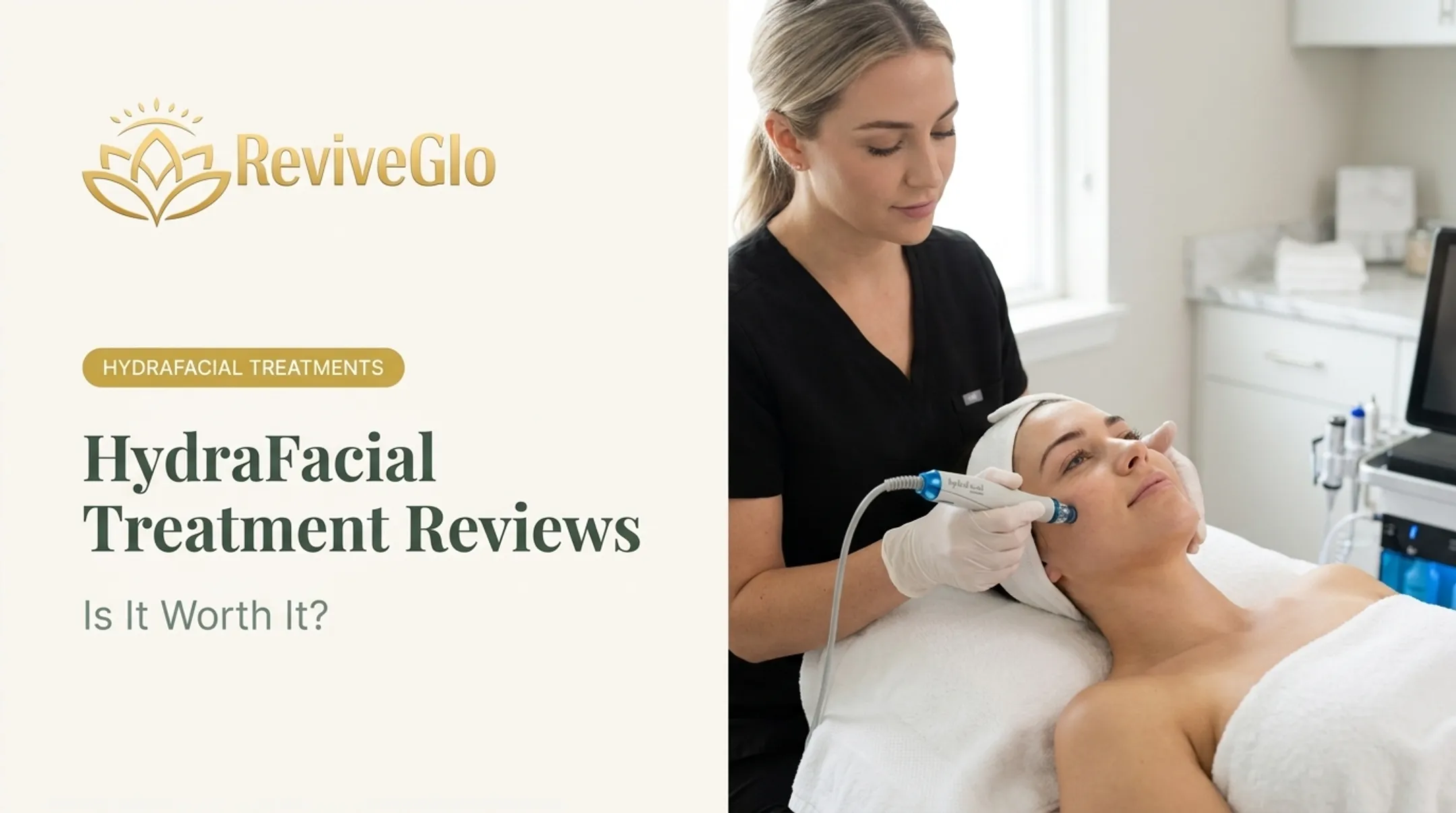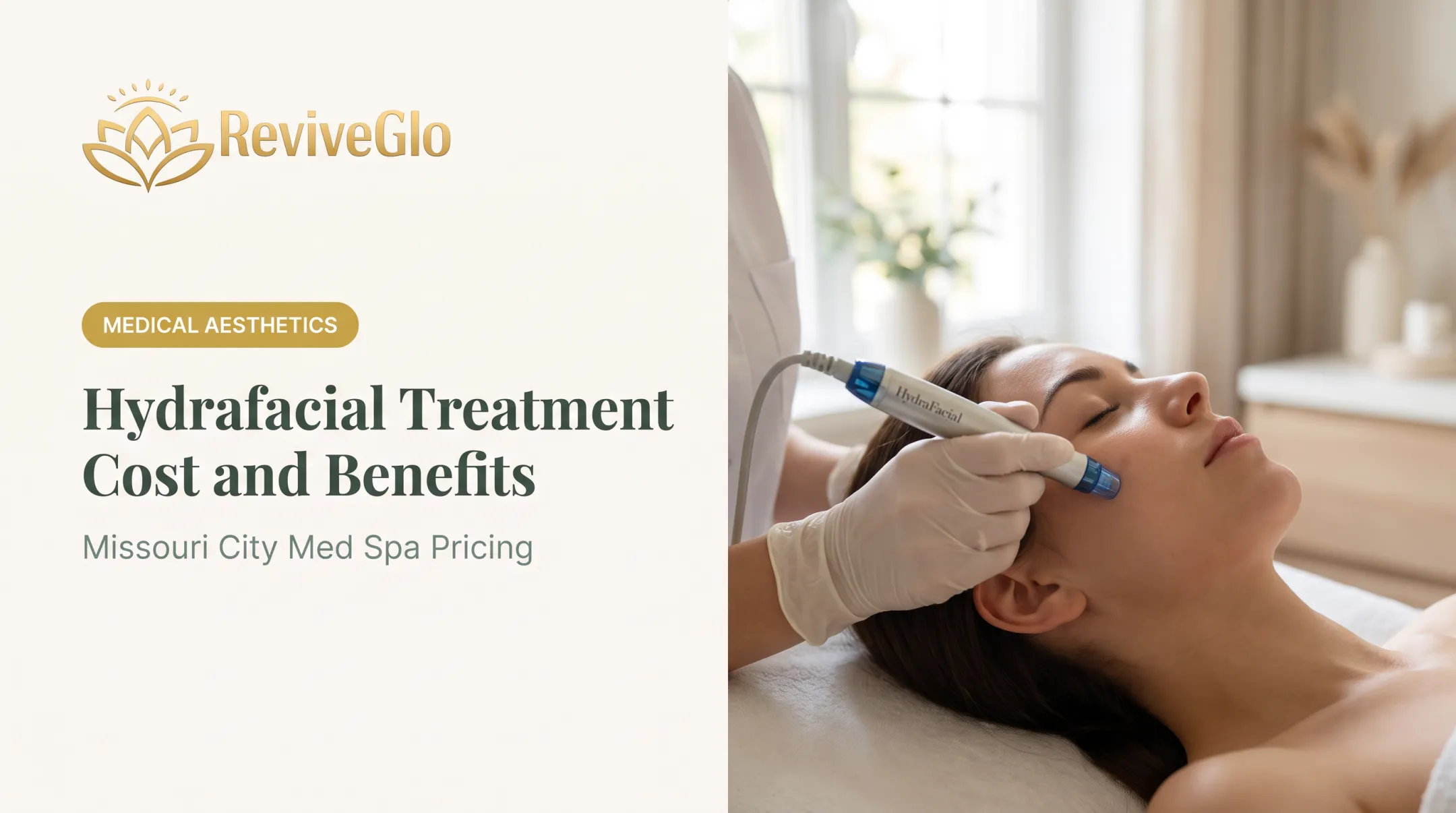

The honest answer depends on your skin goals, your budget, and what you expect walking out the door. A HydraFacial can hydrate, smooth, and brighten skin in about 30 minutes with minimal downtime, according to Medical News Today's 2025 overview of the procedure. But it's not a permanent fix, and it won't replace medical treatment for serious skin conditions.
This article breaks down what actually happens during a HydraFacial, the realistic benefits and drawbacks, what it costs, and how to decide if it fits your skin and your wallet.
Key Takeaways
- HydraFacials combine cleansing, exfoliation, extraction, and serum infusion in one customizable session with little to no downtime
- Hydration, smoothness, brightness, and less congestion show up fast—but results are typically temporary
- Results vary based on your skin, the provider's technique, treatment level, and your home routine
- Persistent acne, rosacea, severe sensitivity, or unusual lesions need professional evaluation, not just a cosmetic facial
What Is a HydraFacial and What Happens During One?
A HydraFacial is a branded, device-assisted facial that uses a specialized wand to cleanse, exfoliate, extract, and infuse the skin with hydrating or targeted serums, all in one continuous process. The manufacturer calls this its Vortex-Fusion technology, and it's the reason HydraFacials feel different from a standard facial.
The Treatment Sequence
Most sessions follow the same basic order:
- Cleanse and exfoliate - The wand removes surface buildup and dead skin cells, working as a gentle resurfacing step rather than a deep medical peel.
- Extract - Gentle suction lifts debris from pores, a noticeable contrast to aggressive manual extractions you might get elsewhere.
- Hydrate and infuse - Serums are pushed into the skin, often customized with boosters chosen for your specific concerns.

At ReviveGlo Med Spa in Missouri City, the HydraFacial MD Elite treatment follows this same cleanse-exfoliate-extract-hydrate structure, with add-ons like LED light therapy layered in based on individual goals.
What It Feels Like
Most people describe the sensation as relaxing rather than uncomfortable, closer to a spa facial than a clinical procedure. Medical News Today (MNT) reports the procedure usually takes about 30 minutes, though you should confirm exact timing with your provider since it can shift based on add-ons.
How It Compares to Other Treatments
| Treatment | Downtime | Depth | Customization |
|---|---|---|---|
| HydraFacial | Minimal | Surface-level | High |
| Traditional facial | None | Surface-level | Moderate |
| Microdermabrasion | Minimal | Slightly deeper | Moderate |
| Chemical peel | Varies (some require recovery) | Varies by strength | High |
One important caveat: MNT notes that no research currently compares HydraFacial directly against these other procedures, so treat claims of superiority with some skepticism. And terms like "medical-grade" or "clinical facial" describe marketing, not a guarantee of results. What actually matters is the device, the products used, and the provider's training.
HydraFacial Pros: What Benefits Can You Reasonably Expect?
Let's talk about what a HydraFacial can realistically do for your skin.
The core benefits are short-term but noticeable:
- Temporarily improved hydration
- Smoother-feeling skin texture
- Increased surface radiance
- A fresher, less tired appearance
If you deal with mild congestion, blackheads, or visible buildup, the cleansing and extraction steps can help clear that out. Just don't expect a HydraFacial to cure acne outright. That's not what it's designed to do.
Boosters and Customization
Many providers offer boosters targeting dehydration, uneven tone, or fine lines. ReviveGlo's HydraFacial MD Elite lineup, for instance, layers personalized boosters and LED light therapy onto the base treatment depending on what a client wants to address.
Before committing to a specific booster, ask your provider about its ingredients and what evidence supports it. Marketing language varies widely between brands.
Convenience Is a Real Selling Point
A 30-minute appointment with little to no downtime is genuinely appealing if you're busy. Many clients return to normal activities the same day, though your provider should confirm that's appropriate for your skin.
This convenience is exactly why HydraFacials are popular before weddings, photoshoots, or vacations. Just book far enough ahead. Individual sensitivity or mild redness can show up, and you don't want that on your event day.
What the Evidence Actually Shows
Here's where nuance matters. A 2022 open-label study published in PMC tested a HydraFacial protocol combined with blue-light therapy on 20 adults with mild-to-moderate acne. After six treatments over 12 weeks, investigator-rated clear skin jumped from 20% to 65%.

That's promising, but the study was small, unblinded, and included a co-author affiliated with the HydraFacial company. It also wasn't a HydraFacial-alone test; blue light was part of the protocol.
Separately, comparable hydradermabrasion research (not the branded HydraFacial device specifically) has shown short-term improvements in skin thickness and texture. The takeaway: there's some supporting evidence, but it's limited, and most of what you'll see online is testimonial, not clinical data.
HydraFacial Cons: Limitations, Risks, and Ongoing Costs
Now for the less glamorous side.
Results don't last — one session won't fix everything. A HydraFacial cannot permanently shrink pores, eliminate deep wrinkles, rebuild significant collagen, or resolve chronic skin conditions. It's a maintenance treatment, not a cure.
Possible Side Effects
Temporary reactions can include:
- Redness or tightness
- Dryness or irritation
- Increased sensitivity
- Occasional breakouts
These are more likely if your skin is already reactive or if the treatment intensity is too aggressive for your skin's current state.
When Extra Caution Is Needed
Certain situations call for professional clearance before booking:
- Active skin infections or open wounds
- Severe inflammatory acne
- Uncontrolled rosacea or eczema
- Recent cosmetic procedures (fillers, laser, peels)
- Known allergies
- Use of prescription-strength or high-strength exfoliating products
A Note on Skin of Color
Post-inflammatory hyperpigmentation is a real concern for melanin-rich skin, and irritation from overly aggressive treatment can make it worse. A 2010 review in PMC found that PIH occurs more frequently and severely in patients with darker skin tones compared with Caucasian patients.
This doesn't rule out HydraFacials for melanin-rich skin. It does mean conservative treatment planning and close monitoring matter more.
The Cost Adds Up
A single session might feel affordable, but maintenance is where the real cost lives. Factor in:
- Recurring session fees
- Boosters and add-ons
- Gratuity where applicable
- Home skincare products your aesthetician recommends
If you're chasing a specific result, weigh the total cost of an ongoing plan against how much that result actually matters to you.
When to See a Dermatologist Instead
Painful acne, persistent pigmentation, visible scarring, or anything that looks like it might be a skin disease deserves a dermatologist's evaluation, not a cosmetic facial. A HydraFacial addresses surface concerns; it doesn't diagnose or treat underlying medical conditions.
Is a HydraFacial Worth It for You?
This comes down to matching your expectations to what the treatment actually delivers.
Probably worth it if you want:
- Short-term hydration and smoother texture
- Support for mild congestion or dullness
- A relaxing, low-effort professional treatment
- Polished skin before an event
Probably not your first choice if you're seeking:
- Permanent wrinkle correction
- Substantial acne treatment
- Deep scar revision
- Major pigment correction
- Skin tightening
- A one-time, lasting cure
Four Questions to Ask Yourself
Answer these honestly before booking:
- What result do I actually want? Be specific: "glowy" and "acne-free" require different approaches.
- How long do I need it to last? Event prep is different from long-term skin health.
- What alternatives exist? Chemical peels, microneedling, and dermatologist-directed treatments all serve different purposes.
- Does the total cost fit my budget? Factor in the treatment itself plus any ongoing maintenance.
One-Time Treatment vs. Recurring Plan
A single session before a big event is a reasonable, low-commitment choice. A recurring plan makes more sense if you're managing ongoing dullness or mild congestion and want consistent upkeep. There's no universally "correct" frequency: it depends on your skin and your goals, which is exactly why a consultation matters more than a generic recommendation.
Bottom line: HydraFacials can be worth the investment when your expectations match their surface-level, temporary benefits. They work best as a complement to daily sun protection, a solid home routine, and medical care when you actually need it, not a replacement for any of those things.
How to Choose, Prepare for, and Maintain a HydraFacial
Choosing a Provider
Look for:
- Licensed or appropriately trained professionals
- Transparent, upfront pricing
- A real consultation, not a rushed sales pitch
- Clear hygiene practices
- Willingness to discuss device and serum details
- Realistic before-and-after examples (not overly filtered)
- Screening for contraindications before booking
Before Your Appointment
Ask your provider about timing around:
- Recent retinoid or acid use
- Waxing, injectables, laser treatments, or chemical peels
- Active skin conditions
- Allergies and medications
Timing guidance varies by provider, so don't rely on generic internet advice.
Aftercare Basics
- Follow your provider's specific product instructions
- Hold off on harsh actives unless cleared
- Stick to gentle cleansing and moisturizing
- Apply broad-spectrum sunscreen daily
- Contact your provider if you notice unusual or worsening reactions
Once you know what to ask and how you'll aftercare, matching the right treatment depth matters just as much as the checklist above.
At ReviveGlo Med Spa, HydraFacial MD Elite comes in several tiers: Signature, Deluxe, Platinum, and Keravive. Each builds on the last with boosters, LED therapy, or scalp-focused treatment, so the options aren't interchangeable.

A consultation helps match the right tier to your skin goals. Licensed aesthetician Monica Romo works with HydraFacial clients on that personalized planning.
Frequently Asked Questions
Does a HydraFacial really work?
HydraFacials can produce short-term improvements in hydration, smoothness, brightness, and surface congestion. Outcomes vary by skin type and provider, and it's not a cure-all for deeper skin concerns.
What age is best for a HydraFacial?
There's no universal "best" age. Candidacy depends on your skin concerns, health history, and expectations, which a professional assessment can evaluate better than age alone.
Do dermatologists recommend HydraFacials?
Some dermatologists recommend them for mild cosmetic goals like glow, hydration, and surface congestion. They may suggest a different treatment if you need deeper correction for acne, scarring, or pigmentation.
How long after a HydraFacial will I see results?
Many people notice improved hydration, smoothness, or radiance shortly after treatment. Timing and intensity of results differ based on your skin and the treatment plan used.
How long do HydraFacial results last?
Visible benefits are temporary and may fade over days to weeks. Duration depends on your skin type, daily routine, sun exposure, treatment intensity, and ongoing maintenance.
How much does a HydraFacial typically cost?
Prices vary by location, provider, and treatment level. RealSelf reports an average around $226, with add-ons and premium sessions reaching up to $1,000. At ReviveGlo, Signature starts at $199; Deluxe and Platinum cost more with added boosters.