
Introduction
If you've dealt with breakouts on your back, you're far from alone. Back acne, often shortened to "bacne," shows up in teens and adults alike, sometimes even when facial skin stays relatively clear.
Many people feel stuck between conflicting advice: is it hygiene, hormones, sweat, or something else entirely? On top of that, painful bumps, itchy patches, dark marks, and scarring can make the condition feel harder to manage than facial acne.
Research shows that roughly 48% to 52% of people with facial acne also develop truncal acne, according to a 2022 overview published in PMC. This is a genuinely common concern, not a personal failing.
This guide walks through what causes back acne, how to build an effective at-home routine, when professional care makes sense, and how to prevent flare-ups from coming back.
Key Takeaways
- Oil, dead skin cells, and bacteria clog follicles to form back acne; sweat, friction, hormones, and products often trigger it.
- Benzoyl peroxide or salicylic acid plus lifestyle changes often clear mild cases in 6 to 8 weeks.
- Picking, harsh scrubbing, and product-hopping tend to worsen inflammation and discoloration.
- Back acne alone doesn't mean PCOS, but acne with irregular periods or excess hair growth warrants a clinician visit.
What Is Back Acne and What Causes It?
Back acne develops the same way facial acne does: hair follicles get clogged with oil and dead skin cells, and bacteria trigger inflammation. The difference is location. The back is harder to see, harder to reach, and covered by clothing for much of the day.
Types of Bumps You Might Notice
Not all back breakouts look the same. Common presentations include:
- Whiteheads and blackheads — closed or open clogged follicles, typically flat or slightly raised
- Papules and pustules — red, inflamed bumps, sometimes with visible pus
- Nodules and cysts — deeper, painful lesions that carry a higher risk of scarring
What's Driving the Breakouts
Several factors interact to produce truncal acne:
- Excess sebum production and dead skin cell buildup
- Acne-associated bacteria (C. acnes) colonizing clogged follicles
- Genetic tendency — family history is strongly linked to truncal involvement
- Hormonal shifts, particularly androgen activity during puberty or hormonal fluctuations in adulthood
- Inflammation inside the clogged follicle

Sweat, heat, tight athletic wear, backpacks, and sports equipment worsen breakouts. This friction-and-occlusion pattern, sometimes called acne mechanica, is a recognized trigger where pressure and heat irritate follicles, as described in clinical literature.
Comedogenic hair conditioners, certain medications, and stress can contribute as well.
A quick caution: if you notice itchy, uniformly sized bumps clustered closely together that don't respond to typical acne care, you might be dealing with folliculitis rather than acne. Yeast-related (Malassezia) folliculitis in particular tends to itch intensely and lacks the comedones seen in true acne — it often needs antifungal rather than antibacterial treatment.
How to Treat Back Acne Step by Step
Back acne responds best to consistency, not intensity. Switching products every week or scrubbing harder doesn't speed things up. According to the American Academy of Dermatology's back-acne guidance, most routines need 6 to 8 weeks before you'll notice fewer breakouts, and full clearing can take 3 to 4 months.
Step 1: Build a Gentle Cleansing Routine
Wash your back after sweating, using a gentle, non-abrasive cleanser. If you're using a benzoyl peroxide wash, apply it, let it sit for 2 to 5 minutes, then rinse thoroughly — this contact time is what allows the ingredient to work while limiting irritation.
Benzoyl peroxide can bleach towels, sheets, and clothing, so rinse completely and let your skin dry before it touches fabric.
Skip loofahs, stiff brushes, and abrasive scrubs. They damage the skin barrier and tend to make inflammation worse, not better.
Step 2: Choose Targeted Topical Ingredients
Different actives serve different purposes:
- Benzoyl peroxide reduces acne-causing bacteria and works well for inflamed, pus-filled lesions
- Salicylic acid exfoliates and helps clear clogged pores, useful for blackheads and whiteheads
- Topical retinoids (such as adapalene) unclog pores, treat existing bumps, and can fade post-acne dark marks over time
Introduce one active ingredient at a time. Layering several strong products together increases the odds of dryness, peeling, and burning without necessarily speeding up results.
Keep these safety points in mind:
- Retinoids increase sun sensitivity — daily sunscreen matters while using one
- Retinoids carry pregnancy-related restrictions; most experts recommend stopping use during pregnancy
- If you notice severe burning, swelling, or blistering, stop the product and talk to a pharmacist or clinician
Step 3: Reduce Triggers While the Skin Heals
Topicals work better when daily habits stop re-irritating the skin. Small changes help:
- Shower and change out of sweaty clothes as soon as possible after exercise
- Wash workout gear and bedding regularly
- Rinse hair conditioner completely off your back
- Choose lightweight, non-comedogenic body products
- Wear breathable fabrics and clean sports equipment to reduce friction from backpacks or straps
Step 4: Track Progress and Adjust Carefully
Keep a simple log: location of breakouts, severity, itch or pain, products used, and possible triggers like a new detergent or gym schedule. That record helps you and a clinician spot patterns if results stall.
Reassess at the 6- to 8-week mark. If breakouts are still widespread, painful, or scarring, move beyond OTC care and get a professional treatment plan.

Professional Back Acne Treatment
Some situations call for more than an over-the-counter routine. Consider seeking professional evaluation if you notice:
- Deep, painful lesions or nodules
- Breakouts that are spreading or worsening quickly
- Scarring or persistent dark marks
- Significant emotional distress related to the acne
- Suspected folliculitis rather than true acne
- No meaningful improvement after 6 to 8 weeks of consistent at-home care
Clinician-Guided Treatment Options
A dermatology provider may recommend, depending on severity:
- Prescription-strength topicals: stronger retinoids, benzoyl peroxide combinations, or topical antibiotics
- Oral antibiotics: for select inflammatory cases, used briefly and typically paired with topicals
- Hormonal treatment: combined oral contraceptives or spironolactone when a hormonal pattern is identified
- Isotretinoin: for severe, scarring, or treatment-resistant acne under strict medical monitoring
The 2024 AAD acne treatment guideline strongly recommends isotretinoin for acne that causes scarring or significant psychosocial impact, or that hasn't responded to standard therapy.
Larger, painful cysts sometimes receive an in-office corticosteroid injection to calm inflammation quickly. Extractions and similar procedures should only be done by a trained professional. DIY extraction usually does more harm than good.
Addressing What's Left Behind
Active acne and residual marks aren't the same problem, and they're not treated the same way:
| Concern | What It Is | General Approach |
|---|---|---|
| Post-inflammatory hyperpigmentation | Flat, discolored marks from past inflammation | Sun protection, topical brightening, sometimes in-office treatments |
| Atrophic scars | Depressed, pitted skin from collagen loss | Microneedling, lasers, or similar collagen-stimulating procedures |
| Hypertrophic/keloid scars | Raised, thickened scar tissue | Corticosteroid injections, laser treatment |
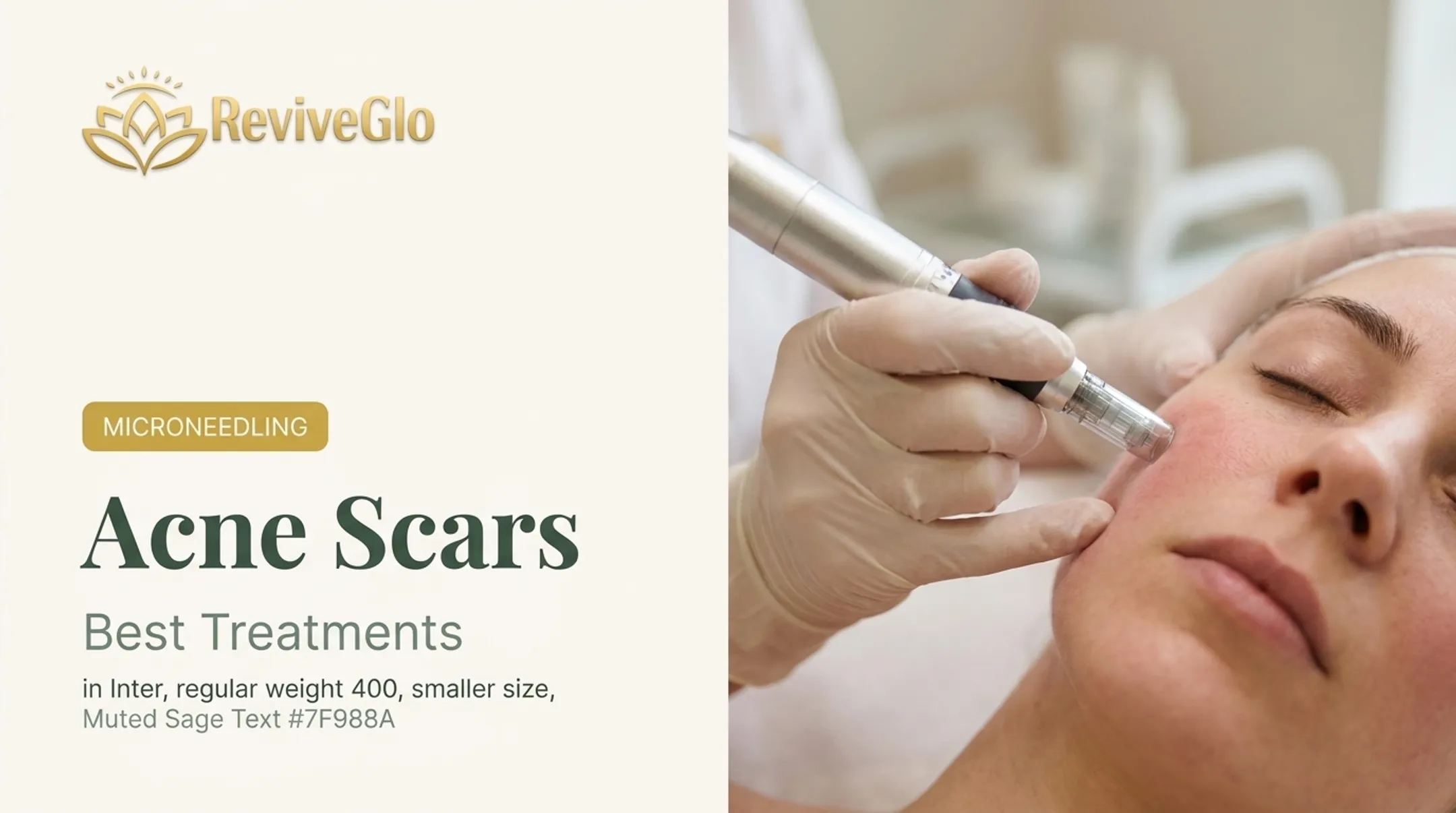
At ReviveGlo Med Spa, our provider-led team evaluates each person's skin goals before recommending a plan. For residual discoloration or textural changes from past breakouts, microneedling may be appropriate. Not every acne patient is a candidate, especially while breakouts are still active—that call is made in consultation, not before.
Preventive Measures and Common Mistakes
Prevention comes down to reducing the conditions that let follicles clog and irritation spread.
A simple prevention checklist:
- Shower promptly after exercise or heavy sweating
- Change out of damp clothing quickly
- Use clean towels and bedding regularly
- Avoid picking or squeezing lesions
- Minimize friction from backpacks, straps, and tight gear
- Rinse hair products completely off the back
- Choose non-comedogenic skincare and body products

Habits, Sun Care, and Diet Myths
A few habits actually prolong breakouts:
- Over-washing or scrubbing abrasively
- Squeezing lesions, which raises the risk of scarring and infection
- Layering multiple strong actives at once
- Applying heavy, oily body lotions over acne-prone skin
Sun protection deserves the same attention. Exposed backs and shoulders need sunscreen too, especially for anyone prone to dark marks after breakouts. The AAD recommends broad-spectrum SPF 30 or higher, reapplied every two hours or after sweating, to help prevent new dark spots and fade existing ones over time.
Diet and hygiene myths deserve a closer look too. It's tempting to blame every breakout on poor hygiene or "bad" food choices. A 2022 systematic review found that high-glycemic diets are associated with worse acne, while dairy's role remains uncertain due to mixed study quality. Diet may play a role for some people, but it shouldn't replace evidence-based treatment.
Conclusion
Back acne usually reflects several factors working together: clogged follicles, excess oil, inflammation, sweat, friction, product choices, and hormones. Multiple factors are usually at play, so a single quick fix rarely works.
A gentle, consistent routine helps many mild cases improve within a couple of months. Painful, persistent, itchy, or scarring breakouts deserve a closer look from a professional rather than escalating self-treatment.
If you're dealing with lingering discoloration or texture changes after acne clears, ReviveGlo Med Spa offers consultations to review your skin history and goals, then build an individualized plan instead of relying on guesswork.
Frequently Asked Questions
How can I treat back acne?
Start with gentle cleansing, a benzoyl peroxide or salicylic acid product, and reduced sweat/friction triggers. Give it 6 to 8 weeks before judging results, and see a provider if breakouts are severe or persistent.
Will back acne ever go away?
Many cases improve significantly with consistent treatment. However, hormonal patterns, ongoing friction, medication side effects, or folliculitis can cause recurrence and may need professional evaluation.
What causes acne on the back?
Clogged follicles from excess oil, dead skin cells, and bacteria are the core cause. Sweat, friction, hormones, genetics, comedogenic products, and certain medications can all trigger or worsen it.
Does back acne mean PCOS?
Back acne alone doesn't diagnose PCOS. If it's accompanied by irregular periods, excess facial or body hair, or fertility concerns, that combination is worth discussing with a healthcare provider.