
Introduction
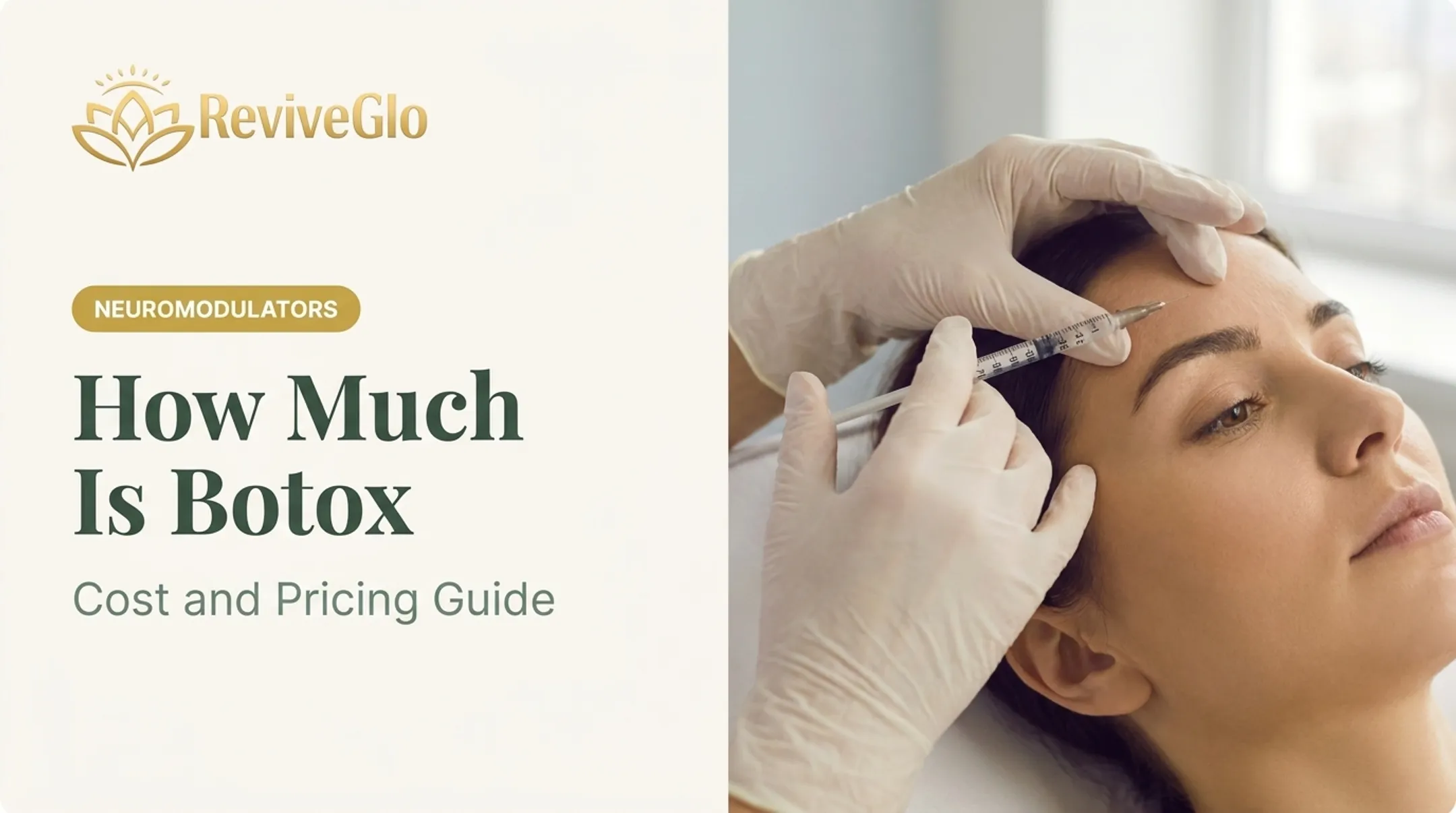
"How much does Botox cost?" is usually the first question people ask before they ask anything about results. The honest answer: there's no single national price, and there's no universal dose that applies to everyone.
Your final bill depends on several factors. These include the number of units injected, the areas you're treating, the product your provider uses, their experience level, your local market, and whether the clinic charges per unit or per treatment area.
According to RealSelf's 2024 cost data, based on 448 patient reviews, the average cosmetic Botox treatment runs $586, though prices swing widely depending on where you live and what you're having done.
This guide breaks down current U.S. pricing research, shows you how to calculate your own estimated total, covers recurring maintenance costs, and gives you the exact questions to ask before comparing quotes.
Key Takeaways
- Botox averages $586 per treatment nationally, though per-unit pricing typically runs $10-$15
- Some practices charge $25 or more per unit, often reflecting premium injectors or upscale markets
- Units used and treatment area drive most of your cost; credentials and location matter too
- Per-unit pricing is easier to compare than flat "area" pricing when the dose is disclosed upfront
- The cheapest quote isn't always the best value; check credentials, sourcing, and follow-up care
How Much Does Botox Cost? (Pricing Overview)
Botox doesn't come with a price tag the way a haircut does. Clinics price it three different ways, and mixing them up is how people end up confused or overcharged.
The three pricing models:
- Per unit: You pay a set price for each unit injected (most common)
- Per area: A flat fee covers a specific zone, such as "frown lines," regardless of exact unit count
- Package pricing: A bundled rate covering multiple areas or a set dose
RealSelf's July 2024 data puts typical per-unit pricing at $10 to $15 per unit at most U.S. practices, with premium practices charging $25 or more. That same report cites a $586 average treatment cost based on patient-reported outcomes, not a formal clinic survey, so treat it as a benchmark rather than a quote.
What an Illustrative Estimate Might Look Like
Using the $10-$15 per-unit range as a baseline:
- A smaller, focused treatment (one area, roughly 20 units): $200-$300
- A standard treatment (one to two upper-face areas, roughly 40-50 units): $400-$750
- A broader multi-area treatment (three upper-face areas, roughly 64 units): $640-$960

These are math-based illustrations from the researched per-unit range, not quotes for any specific clinic or patient. ReviveGlo Med Spa, for comparison, lists Botox, Dysport, and Xeomin starting at $5 per unit, with your exact total confirmed during consultation before you commit to treatment.
What's Usually Included (and What Isn't)
Ask your provider directly whether a quoted price covers:
- Initial consultation and assessment
- Injector's professional fee
- The product itself
- Follow-up visits or touch-ups
- Sales tax
A "Botox shot" isn't one unit or one needle prick. A single treatment typically involves multiple injection points across a muscle group, adding up to a personalized total dose.
Botox, Dysport, and Xeomin units also aren't interchangeable. Each product has its own FDA-labeled dosing, so a low per-unit price on one brand doesn't automatically mean a lower total cost.
Key Factors That Affect the Cost of Botox
Your Botox total depends on dose, treatment scope, who injects you, and where you book—not a single sticker price on the vial.
Number of Units Needed
Your recommended dose depends on muscle strength, facial anatomy, treatment history, and how much movement you want to preserve. The FDA-approved Botox Cosmetic label gives useful reference points:
- Glabellar lines (frown lines): 20 units
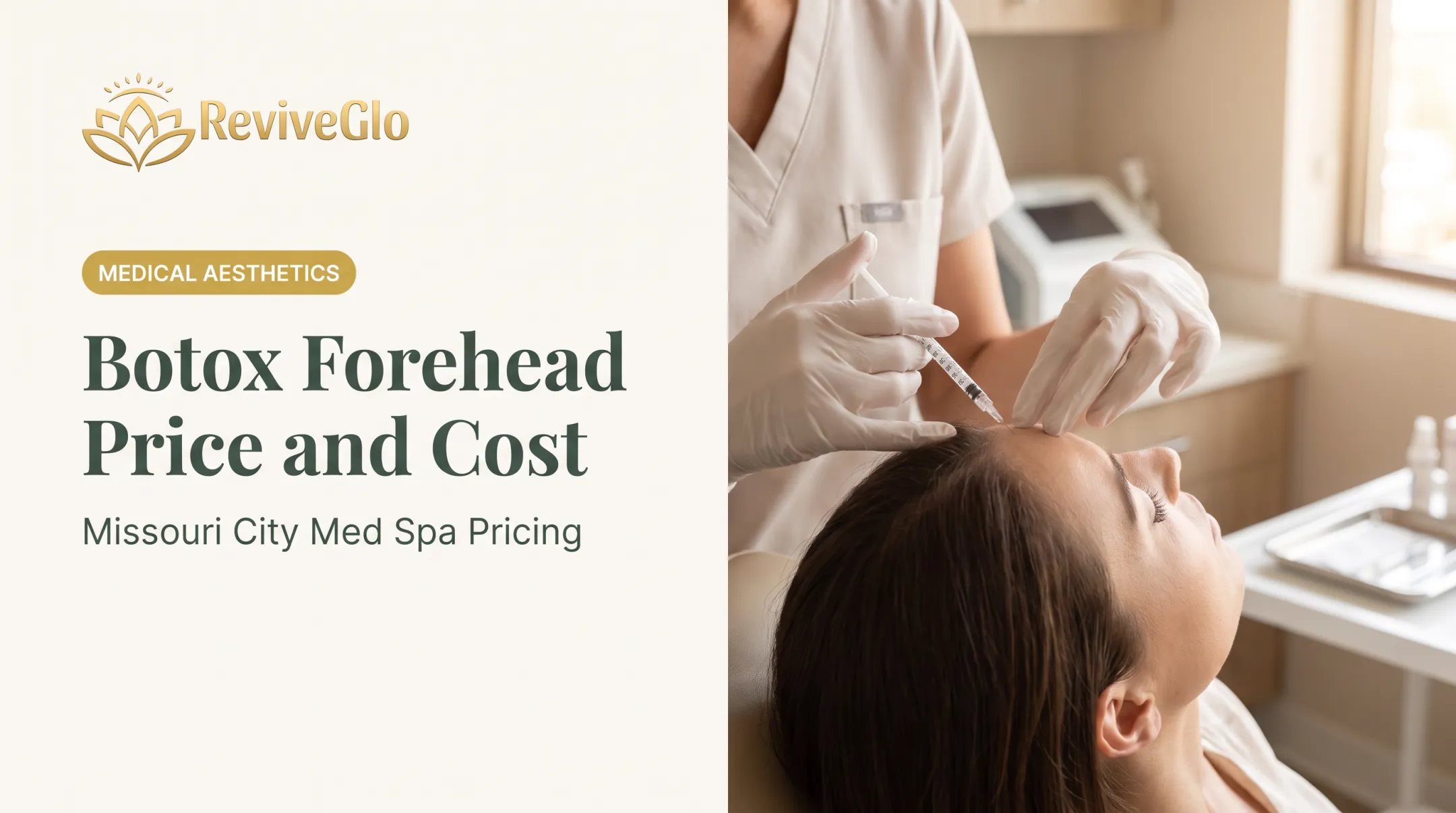
- Forehead lines: 20 units (when combined with glabellar treatment, for 40 units total)
- Crow's feet: 24 units
- All three upper-face areas combined: 64 units total
Off-label areas, which require an in-person assessment, show more variation in published research:
- Lip flip: roughly 4-6 units
- Chin dimpling: small per-point doses (around 3-4 units per injection point)
- Masseter/jaw slimming: often 20-40 units, sometimes more depending on muscle size
- Neck bands (platysma): 26-36 units depending on the pattern treated
These are clinical reference ranges, not prescriptions. Your provider determines your actual dose.
Treatment Area and Scope
"Full face" is not a standardized treatment category and does not appear on the FDA label. Clinics define it differently. Cosmetic upper-face treatment (forehead, glabella, crow's feet) is FDA-approved. Lower-face, jaw, and some neck applications may be off-label or fall under different indications.
Provider Experience, Credentials, and Medical Oversight
An experienced injector who knows facial anatomy and doses conservatively usually costs more—and that premium often buys safer, more natural results. Before booking, confirm your provider:
- Holds an appropriate medical license
- Has documented injectable training
- Offers a real consultation, not just a price quote
- Sources product through authorized channels
- Works in a clean, medically supervised setting
- Provides written aftercare and a follow-up plan
Geographic Market and Practice Model
RealSelf metro-level data shows wide swings by market: New York City averaged $798 per treatment versus $281 in Salt Lake City. Dermatology offices, plastic surgery practices, and medical spas also price differently. Location and practice type affect cost, but neither guarantees quality on its own.

Promotions, Memberships, and Package Pricing
Legitimate promotions can lower your effective cost, but read the fine print. Check minimum purchase requirements, expiration dates, and whether the unit count is actually disclosed. ReviveGlo, for example, offers a Founding Member special with 20% off and membership perks confirmed at consultation.
Product Choice and Brand
Botox, Dysport, and Xeomin each have their own FDA-labeled dosing:
- Botox Cosmetic: 20 units for glabellar lines
- Dysport: 50 units for the same area
- Xeomin: 20 units for glabellar lines
A lower per-unit price on Dysport doesn't necessarily mean a lower total, since it typically requires more units to achieve a comparable effect. Ask your provider which product fits your anatomy and goals, and compare totals—not just the per-unit rate.
Cost Breakdown of Botox
A realistic budget covers more than the product price. Plan for each of these line items:
- Initial consultation: Some clinics charge separately for assessment and planning—confirm before booking. ReviveGlo offers free consultations covering goals, health history, treatment options, and pricing upfront.
- Treatment session: Core cost depends on unit count, treatment areas, brand, and whether pricing is per unit or per area.
- Follow-up and touch-ups: Don't assume a touch-up is included. Ask about timing, eligibility, and any extra charge.
- Ongoing maintenance: Results are temporary. The FDA-approved Botox Cosmetic label states duration for glabellar lines is about 3–4 months, and more frequent re-treatment hasn't been clinically evaluated. Most clients settle into a similar three-to-four-month rhythm based on individual response.
- Payment arrangements: Memberships, packages, and financing can ease cash flow, but get the terms in writing. A payment plan only spreads the cost—it doesn't make treatment free or medically necessary. ReviveGlo offers flexible financing for qualifying clients, plus membership benefits like priority scheduling.
Low-Cost vs High-Cost Botox — What's the Difference?
Price alone tells you almost nothing. What matters is what's behind the number.
Performance and Treatment Planning
A lower price might reflect:
- A new-client promotion
- Lower overhead
- A smaller treatment scope
A higher price often reflects:
- An experienced injector
- A thorough consultation
- More complex planning
Neither guarantees the outcome by itself. The plan still has to fit your face.
Safety and Quality Controls
Safety is where corners get cut, and the stakes are real. In April 2024, the FDA issued a nationwide alert after counterfeit Botox caused hospitalizations across multiple states, with symptoms including blurred vision, difficulty swallowing, and breathing problems.
Warning signs of a risky low-cost deal:
- No consultation before treatment
- Unclear or evasive answers about injector credentials
- Vague or unexplained product sourcing
- Pressure to buy large unit packages upfront
- Treatment offered outside a medical setting
Long-Term Value
A natural-looking result, an appropriate dose, and predictable follow-up usually matter more than shaving a few dollars off the per-unit price. Correcting a bad result almost always costs more than paying fairly the first time. Before booking anywhere, verify the injector's license and ask directly where the product comes from.

How to Estimate the Right Budget for Botox
Start with the treatment plan, not a target spending number. The right dose comes first; the budget follows.
The formula:
Estimated total = recommended units × verified price per unit + disclosed consultation, follow-up, or tax fees
Using the researched $10-$15 per-unit range as an illustration:
| Units | At $10/unit | At $15/unit |
|---|---|---|
| 20 | $200 | $300 |
| 50 | $500 | $750 |
| 100 | $1,000 | $1,500 |
These are arithmetic illustrations, not dosing recommendations—nobody should choose 100 units because it fits a budget. At ReviveGlo's $5-per-unit starting rate, the same math yields lower totals, which is why verified per-unit prices matter more than flat quotes.
Budgeting for Multiple Areas
List each area separately before treatment:
- Area treated (for example, forehead lines)
- Proposed unit count
- Price model (per unit or per area)
- Estimated subtotal
Add these up, then include maintenance frequency in your planning. Most people budget for a repeat treatment every three to four months, though this varies by individual and treatment area.
Quote-Comparison Checklist
Before accepting any quote, ask:
- Is the specific product (Botox, Dysport, or Xeomin) identified?
- How many units or which areas are included?
- Who performs the injections, and what are their credentials?
- Are consultation, follow-up, and touch-up fees separate?
- Is the product sourced through an authorized channel?
- What happens if there's a complication or unsatisfactory result?
- Do promotions or memberships carry conditions?
If you're comparing Botox, Dysport, or Xeomin, ReviveGlo Med Spa's nurse injectors build the plan around your anatomy and goals first, then confirm current per-unit pricing and your full estimated total in consultation. Call 832-363-0841 or email Info@ReviveGlo.com to walk through a conservative, natural-result approach for your face.
What Most People Miss When It Comes to the Cost of Botox
A few blind spots show up again and again:
- Fixating on per-unit price alone, without confirming the recommended dose, treatment areas, or total appointment cost
- Assuming "full face," "one shot," or "50 units" means the same plan everywhere, when every clinic defines these differently
- Ignoring recurring costs, including maintenance visits, consultation fees, touch-up policies, taxes, and package restrictions that add up over a year
- Chasing the lowest quote without checking the injector's license, product authenticity, treatment setting, or aftercare process
Ask the right cost questions before you book. Waiting until the appointment often means accepting fees you never planned for.
Conclusion
Botox cost isn't one number. It's a combination of units, treatment areas, product choice, provider expertise, location, and ongoing maintenance. Trying to compare clinics on price alone misses most of what actually determines value.
The most useful comparison isn't the lowest advertised rate. It's a transparent, personalized quote that accounts for safety, provider skill, natural-looking results, and what maintenance will realistically cost over time.
Before you decide, ask for:
- Proposed unit count and treatment areas
- Complete price and product name
- Follow-up policy
- Provider credentials
If a clinic can't answer those questions clearly, treat that as a reason to keep looking. At ReviveGlo Med Spa, consultations center on personalized unit planning and natural-looking results so you know what you're paying for before treatment begins.
Frequently Asked Questions
What is the average cost of a Botox shot?
There's no universal "shot" price. A single treatment often involves multiple injection points and a personalized total dose. RealSelf's 2024 data puts the average full treatment at $586, with per-unit pricing typically running $10-$15.
How much do 20 units of Botox usually cost?
At $10-$15 per unit, 20 units cost roughly $200-$300. Your actual total depends on the provider, product, treatment area, and any fees they disclose.
How much should I pay for 50 units of Botox?
Calculate it from your clinic's verified per-unit price: 50 units at $10-$15 per unit lands around $500-$750. Don't treat 50 units as a universal recommendation. Your dose should come from your consultation.
How much does 100 units of Botox cost?
Using the same $10-$15 per-unit range, 100 units cost roughly $1,000-$1,500. A 100-unit vial doesn't mean every patient needs 100 units, and units aren't interchangeable across Botox, Dysport, and Xeomin.
How many units of Botox is $400?
Divide your budget by the verified price per unit. At $10 per unit, $400 covers 40 units; at $15 per unit, it covers roughly 27 units. Taxes, fees, and your provider's recommended dose may change this.
How long do Botox injections last?
The FDA-approved label states results for glabellar lines typically last 3-4 months. Duration varies by person, product, treatment area, and muscle activity, so follow your injector's maintenance guidance.